
The Short Report: May 6, 2026

 GOVERNMENT FUNDING & NEWS
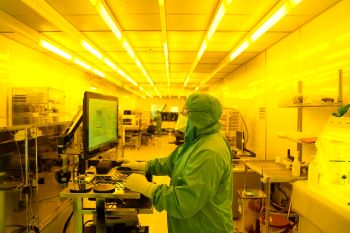
Federal government spinning off National Research Council’s photonics fabrication centre into a commercial entity
Federal Industry Minister Mélanie Joly announced that work will begin to spin off the National Research Council of Canada’s (NRC) Canadian Photonics Fabrication Centre (CPFC) into a commercial entity with firmly Canadian foundations and with Canadian industrial development at its core.
Photonics technology is a central part of the Government of Canada’s plan to build up the country’s advanced manufacturing sectors and sovereign capabilities, including in auto, defence, aerospace and AI.
 The CPFC’s custom photonic components and photonic integrated circuits are used in various applications, including AI data centres, military, defence technologies, high-performance computing, telecommunications equipment, sensing, quantum technologies and more.
As the global demand for AI technologies increases, photonic devices will play an increasingly important role in addressing challenges associated with performance, power and heat in large data centres and AI compute facilities.
By strengthening domestic photonics capabilities, Canada can enhance its economic resilience, safeguard its technological sovereignty and secure a leadership role in the compound semiconductor industry, the government said.
As North America’s only end-to-end pure play compound semiconductor facility, the CPFC – established in Ottawa in 2005 – plays a critical role in Canada’s innovation ecosystem. Over the past two decades, the CPFC has evolved into a key industrial partner for Canada’s growing photonics ecosystem.
Through design, refinement, fabrication and testing of compound semiconductor wafers, the CPFC works with companies across the photonics industry to bring their products to market.
The CPFC will continue to be anchored in Canada and create high-quality jobs for Canadians, the government said.
Ottawa said the future spin-off will attract private sector capital to scale the CPFC’s operations, expand the Canadian supply chain of photonic manufacturing capabilities and provide more effective and timely services to fast-growing, innovative Canadian small and medium-sized enterprises at the forefront of AI compute and quantum technologies.
The NRC is partnering with the Canada Development Investment Corporation to structure the process to engage with investors and spin off the CPFC. Ottawa said the process will proceed on a timeline “commensurate with the government’s commitment to secure commercial and other partners to fulfill the facility’s potential to catalyze the growth of a world-class industrial capability in Canada.”
The Kanata North Business Association (KNBA), the advocate for over 800 companies in Kanata North – Canada’s Largest Technology Park – welcomed the government’s announcement, calling it “a critical step towards securing Canada’s semiconductor future and strengthening national technological sovereignty.”
“Strongly supported by industry, the move will accelerate domestic manufacturing capacity, reduce reliance on offshore supply chains and position Canada as a global leader in next-generation technologies, including artificial intelligence, photonics and advanced communications,” the KNBA said in a statement.
The KNBA, supported by Invest Ottawa and key industry leaders, mobilized to support this initiative, including collaborating on a recent report by Doyletech.
The study underscored the strength of Ottawa’s semiconductor and optics sector with semiconductor and integrated photonics companies forming the core cluster which generated $12.65 billion in national output in 2024 and supported more than 48,000 jobs.
Ottawa-based AI photonic semiconductor company Ranovus has been an anchor customer of the CPFC for over 14 years.
“We welcome the federal government’s step to establish a well-funded, globally competitive foundry that can match the world’s best in scale, innovation, and quality,” said Hamid Arabzadeh, chairman and CEO of Ranovus.
However, it’s still unclear when the spinout will take place, what the ownership structure will look like, or how the CPFC’s operations will differ once completed. National Research Council of Canada
****************************************************************************************************************************
Federal Industry Minister Mélanie Joly and AI Minister Evan Solomon announced $1.5 billion in Government of Canada support for several of Canada’s tariffed industries. This includes the creation of a new $1-billion Business Development Bank of Canada (BDC) program that will strengthen Canada’s economic resilience. The BDC will lend between $2 million and $50 million to firms with at least $5 million in annual revenue with “material exposure” to U.S. tariffs. The program will be available to industries that manufacture and export products containing steel, aluminum or copper. It will support firms that use these metals in a significant way in their production and that have been impacted by the United States’ April 6, 2026, adjustment to its tariffs on products containing steel, aluminum and copper. The BDC program will provide financing at favourable terms to enable businesses to address immediate pressures. In addition, the government is providing an additional $500 million through the Regional Tariff Response Initiative to support tariff-impacted businesses in all sectors of Canada’s economy. This funding, delivered by Canada’s regional development agencies, will help ensure that SMEs have access to the financing they need to enable strategic pivots through investments in market diversification and enhanced productivity that strengthen their competitiveness. Innovation, Science and Economic Development Canada
Innovation, Science and Economic Development Canada (ISED) announced a $20-million investment, through the Strategic Response Fund, in Toronto-headquartered Electra Battery Materials Corporation. This investment will support the advancement of the company’s $99.4-million project to repurpose and expand the production capacity of its existing refinery in Temiskaming Shores, Ont. to produce battery grade cobalt sulfate. This facility will be North America’s first cobalt sulfate refinery and deliver results under the federal Auto Strategy, Defence Industrial Strategy and Critical Minerals Strategy. At full capacity, the facility will supply the cobalt sulfate required for the equivalent of up to 1 million electric vehicles annually. Domestic cobalt sulfate production will give the automotive sector access to essential battery materials, reduce reliance on imports, and support growth across sectors including electric vehicles, defence manufacturing, semiconductors and emerging medical technologies. ISED
Natural Resources Canada (NRCan) announced that it is developing a transformative new Nuclear Energy Strategy for Canada, to be released by the end of 2026. NRCan also announced that the Government of Canada, through the Department of National Defence, is making an initial $40-million investment for 2026-2027 to assess the potential of a Canadian‑controlled microreactor (typically producing between one and 10 megawatts of electricity) that could provide heat and electricity to remote and northern DND and Canadian Armed Forces facilities and operations. The new strategy will build on decades of made-in-Canada innovation, including in CANDU™ technology, abundant uranium resources, a first-class workforce, and a world‑leading safety regime, NRCan said. The strategy will focus on growing Canadian industry in order to achieve energy affordability and security at home while seizing the global opportunity of a global industry that is expected to grow by up to $200 billion per year by 2030, NRCan said. The strategy will be structured around four pillars:
- Enabling new builds across Canada.
- Being a global supplier and exporter of choice.
- Expanding uranium production and nuclear fuel opportunities.
- Developing new Canadian nuclear innovations (including fission and fusion).
The federal government also has committed $2.2 billion over 10 years in capital investments at the Chalk River Laboratories, Canada’s national nuclear labs. This includes the new Advanced Materials Research Centre and other critical infrastructure across the campus. This funding will allow AECL to combine the capabilities of outdated facilities into a modern facility and laboratory research complex that can support Canada’s continued nuclear energy leadership, including for CANDU technology; nuclear safety, security and forensics; small modular reactors; reactor fuel development; and supporting utilities with reactor life extension and reliability. NRCan
Finance Canada announced that participating countries unanimously supported that, once ratified, Canada will serve as host country for the new Defence, Security and Resilience Bank’s (DSRB) future headquarters. The endorsement follows initial negotiations last month in Montreal, where 18 nations began drafting the bank’s governance and operations. The DSRB will provide long-term, low-cost financing for defence, security and resilience initiatives across supply chains, helping small and medium-sized enterprises and member governments to address critical financing gaps. Canada has a strong foundation in finance, defence, aerospace and advanced manufacturing, alongside a innovation ecosystem enhanced by the measures outlined in the government’s recent Defence Industrial Strategy, and the country is well positioned to support collaboration across borders and industries, Ottawa said. Vancouver, Montreal, Toronto and Ottawa have all submitted bids to host the headquarters. Toronto Global, a group working to get the DSRB located in Toronto, urged the federal government to launch a merit-based selection process with published criteria and a clear timeline. Department of Finance Canada
Canada’s leading industry groups say Prime Minister Mark Carney’s effort to cut red tape is floundering, costing the country billions more in trade losses than U.S. President Donald Trump’s tariffs. Forestry, oil and gas, and auto industry representatives told the Financial Times they are frustrated at the pace of regulatory reform that is central to Carney’s efforts to insulate Canada from the tariffs. During the past decade overlapping government policies, mostly environmental regulation, have “chilled strategic investments” and become “a productivity and competitiveness killer, driving away investment,” said Derek Nighbor, president of the Forest Products Association of Canada. Industry groups warn that the government’s ambitious plan to catalyze US$1 trillion in total investment in Canada over the next five years is impeded by the slow implementation of a red-tape review that found nearly 500 ways to streamline services, cut duplication and reduce costs when it was launched last July. Dan Kelly, president of the Canadian Federation of Independent Business (CFIB), said the regulatory reform agenda “remains stalled.” Canadian businesses face approximately US$51.5 billion in compliance costs annually, just under US$18 billion of which is considered “red tape,” the CFIB reported earlier this year. Financial Post
The Government of Canada’s “sovereign wealth fund” is not a sovereign wealth fund typically created with a state’s wealth, but more like a leveraged private equity fund, only with bureaucrats, wrote Andrew Coyne, columnist for The Globe and Mail. The fund will launch with an initial capitalization of $25 billion, “a gift from the government. But since the government doesn’t have $25 billion to give, it will have to borrow the money,” he said. According to government spring economic update, the Canada Strong Fund will be investing “only in minority positions alongside private capital . . . and generating strong, commercial returns.” But if the Canada Strong Fund “is only going to do what private capital is already doing, earning a market rate of return, what is the point?” Coyne said. “If the projects it invests in are commercially viable, they don’t need the government to invest in them. If they aren’t viable, then it’s just industrial policy in disguise.” The Canada Strong Fund is more like Canada’s first government-run mutual fund, with a mandate to earn returns for three major stakeholders: itself, the government, and individual investors, Coyne said. As for the fund being place for Canadians to invest their savings, there’s no shortage of private-investment vehicles in this country, he pointed out. Neither is there any shortage of government investment funds, he noted. In fact, the spring economic update boasts about all the other state investment funds, a vast “ecosystem of Crown corporations,” including “the Canada Infrastructure Bank, Export Development Canada, the Business Development Bank of Canada, the Canada Indigenous Loan Guarantee Corporation, and a range of departmental programs” that are “already playing a critical role.” “So not only would the new fund be duplicating what thousands of private funds are already doing – it would be duplicating the work of the government’s own funds,” Coyne said. The Globe and Mail
Health Canada authorized a second generic semaglutide injection and is currently reviewing seven other submissions for generic semaglutide by different companies. The department expects to make regulatory decisions on more of these submissions in the coming weeks and months. The semaglutide injection submission filed by Canadian-based Apotex is a generic version of the brand name drug Ozempic. Health Canada authorized the drug after a thorough review of evidence provided by the company demonstrated that the drug meets Health Canada's criteria for safety, efficacy and quality for generic drugs. Like existing products, this semaglutide injection is indicated for the once-weekly treatment of adult patients with type 2 diabetes to manage blood sugar levels. The generic versions of semaglutide are complex synthetic products that are pharmaceutically equivalent to the brand name biologic drug. As it does with all drugs authorized in Canada, Health Canada will continue to monitor the safety and effectiveness of all generic semaglutide products. Health Canada last month approved Indian pharmaceutical company Dr. Reddy’s Laboratories Ltd. as the first drug maker to sell a generic version of semaglutide. Health Canada
Opposition MPs say the Liberals used their new power as a majority government to shelve debate on calls for the government to provide documents about a federal IT project that has gone far over budget, with projected costs to balloon to $6.6 billion. The project, led by Employment and Social Development Canada, aims to modernize the systems the government uses to deliver benefits to Canadians, such as old age security. The project launched in 2017 with a $1.7-billion budget, but the cost is now more than three times that sum. Last week, the House of Commons human resources committee debated a Bloc Québécois motion to have the government produce documents about the project. When the committee convened, the Liberals instead pushed forward with clause by clause consideration of an unrelated bill, without providing any notice to the rest of the committee of that plan. "Canadians will be worse off because they won't have access to this information about this software," said Conservative MP Garnett Genius. Since the Liberals officially became a majority government, they been criticized multiple times for forcing debate at several committees behind closed doors. The health committee and ethics committee welcomed new Liberal MPs, giving the government a majority of members. Minutes into both meetings, the Liberal members used their majorities to send the debates into closed-door sessions. Liberal members also requested to go in camera at the science committee and transport committee. Conservative ethics critic Michael Barrett said that once the committee meetings were moved in camera, committee members were barred from speaking publicly about what happened behind closed doors. The Canadian Press
The Government of Canada notified Spire Global Canada that it has terminated its contract to design and develop the WildFireSat satellite constellation of 10 small satellites. According to a Form 8-K filed with the U.S. Securities and Exchange Commission, Spire Global received a written notice on April 23, 2026, from Canada’s Minister of Public Works and Government Services terminating the agreement “for convenience,” effective immediately. The value of the overall WildFireSat satellite constellation including Phase D for manufacturing, system assembly and integration is $106 million. This represents a serious setback for the Canadian Space Agency (CSA) and other government departments who are participating in the mission. The contract, awarded to Virginia-based Spire Global’s Canadian subsidiary, was initially announced on February 12, 2025. Spire was tasked with designing and developing the dedicated constellation, while partnering with Germany-based OroraTech to develop the wildfire detection payloads and data handling system. The WildFireSat mission – a joint initiative by the CSA, Natural Resources Canada, and Environment and Climate Change Canada – was targeting a launch in 2029 to provide data on wildfire behaviour during peak burn periods. The CSA sent a statement to SpaceQ saying the government remains committed to delivering wildfire monitoring capability from space by 2029 and “will soon be engaging with industry and begin working closely with stakeholders on how best to advance the continued development of this important mission.” SpaceQ
The Government of Alberta is investing $91 million through Emissions Reduction Alberta’s (ERA) annual Industrial Transformation Challenge. Up to $41 million is being awarded through the latest round of the Challenge for nine new projects that will deploy practical, cost-saving technologies across Alberta’s energy, electricity, construction and manufacturing sectors. These projects are strengthening Alberta’s energy systems, from smart grid deployment in Airdrie to hydroelectric generation paired with battery storage near Brazeau Dam and closed loop geothermal testing in Clearwater County. This investment is supporting projects in Alberta’s construction and manufacturing sectors, including repurposing coal ash for use in concrete and cement in Halkirk, improving insulation manufacturing in Redcliff to reduce energy use, and upgrading cement production in Exshaw with advanced filtration. Provincial funding will also advance robotics enabled construction manufacturing in Canmore, improving job-site safety while helping address housing affordability. In addition to the projects supported through the latest challenge, Alberta is also launching the next round of the Industrial Transformation Challenge with up to $50 million from ERA’s industry-supported Technology Innovation and Emissions Reduction program. Govt. of Alberta
The Government of Ontario is investing up to $8 million through Intellectual Property Ontario (IPON) to expand intellectual property supports for publicly assisted colleges, universities and research institutions. The expansion builds on IPON’s successful pilot program to support education, protection and commercialization services for postsecondary research, bringing the province’s total investment in intellectual property support for the postsecondary sector to more than $17.5 million. The expanded supports include:
- Co‑investment in research‑driven intellectual property, with IPON covering up to 80 percent of eligible costs for participating postsecondary and research institutions.
- A new Innovation Fellowship Pilot Program, which will provide up to 180 entrepreneurs at Ontario’s postsecondary institutions with three months of financial support, entrepreneurship training and intellectual property education to bolster their ideas.
- Enhanced technology transfer and commercialization services through collaboration among Ontario’s postsecondary and research institutions. Govt. of Ontario
The Government of Newfoundland and Labrador’s Budget 2026 reduces the Small Business Tax Rate to two percent as of January 1, 2026, 1.5 percent on January 1, 2027, and one percent on January 1, 2028, to support over 6,000 small businesses in the province. The budget also increases the basic personal amount exempt from income tax to $15,000, saving 285,000 taxpayers hundreds of dollars per year. The budget boosts postsecondary funding to $446 million, up from $432 million in 2025-26. The government is investing a total of $5.4 billion in health care, including almost $8 million to train and recruit more local nurses and nurse practitioners and $3.5 million to help recruit and retain more doctors, including more ER doctors for small communities. The budget projects a deficit of $688.5 million for 2026-27. “The absence of new taxes or fees is welcome news for entrepreneurs and owners,” as is the establishment of a Red Tape Reduction Office, the Council of Canadian Innovators said in a statement. Govt. of Newfoundland and Labrador
The Government of Alberta is investing more than $1 million in the Alberta Aviation, Aerospace and Defence Council to support the new Leading Industry Forward Together (LIFT) initiative. A new focus on defence produces economic opportunities that will create jobs and increase investment in construction, manufacturing and technology. The government anticipates that LIFT will equip a total of 40 small and medium-sized businesses with the training, certification support, mentorship and market visibility needed to be seen as viable options for investment. In addition, the government is providing $200,000 to Community Futures Entre-Corp to support development of a sustainable, long-term operating model for the Foremost Unmanned Aircraft Systems Test Range. The work will help unlock new opportunities for testing, innovation and commercialization, particularly in southern Alberta. Govt. of Alberta
The Government of Newfoundland and Labrador approved increases in greenhouse gas emissions at Vale Base Metals’ Voisey’s Bay nickel mine in northern Labrador and the Cenovus-owned White Rose oilfield off the coast of St. John’s. Cenovus estimates that its new West White Rose platform will increase emissions at the oilfield by about 21 percent at peak operation, equivalent to about 100,000 tonnes of carbon dioxide, according to documents obtained through access to information legislation by The Canadian Press. Emissions at Voisey’s Bay mine more than doubled from 2016 to 2024, reaching more than 180,000 tonnes of CO2 equivalent, according to government data. Climate scientist Marilena Geng said she wished these projects’ greenhouse gas emissions were talked about more often. However, she wondered how effective more awareness would be as other issues – affordability, an unstable geopolitical landscape – seem to have eclipsed concerns about the climate crisis. “Things are just going down in terms of our interest in climate change and cutting emissions,” said Geng, who is part of an energy transition research group at Memorial University in St. John’s, N.L. “But we can’t bench climate change. It’s going to catch up, and it’s going to really hurt.” The Canadian Press
U.S. President Donald Trump signed an order authorizing Bridger Pipeline’s proposed project to transport Canadian crude from the U.S.-Canada border to Wyoming. The pipeline, a joint proposal from Canadian pipeline company South Bow and the U.S.-based Bridger Pipeline, could increase Canada’s crude exports to the U.S. by more than 12 percent – or up to 1 million barrels per day. The new pipeline would revive parts of the Keystone XL pipeline that was cancelled by former U.S. president Joe Biden. While the new project involves a different route through the U.S. than Keystone XL, it will use some of the previously built pipe on the Canadian side. South Bow, the Canadian pipeline company involved in the new project, was set up by former Keystone XL proponent TC Energy in 2024. Alberta Premier Danielle Smith said this key approval for a cross-border oil pipeline project to deliver more of the province’s crude to the U.S. is coming after years of advocacy from her government. South Bow is expected to make a final investment decision on its part of the project as early as this year. CTV News
The Government of British Columbia announced it is adding 17 new major projects – valued at $88 billion – to its list of priority projects, nearly double the previous number. The government’s Look West strategy was launched in November 2025 as a targeted plan designed to deliver major projects, strengthen B.C.’s and Canada’s economic security in the face of economic threats, and create good jobs and opportunities for people to train for careers in the skilled trades. The strategy includes a goal to secure $200 billion in investment by 2035 for major projects in B.C., and a commitment of $241 million over three years to double trades training funding and permanently strengthen and expand B.C.’s trades training system. The new projects include the Phase 2 expansion of the Blackwater gold and silver mine, a $1.44-billion investment that could generate an estimated $2 billion in mineral tax over the multi-decade life of the mine. Since Look West was launched in November 2025, five major mines have been permitted:
- Quintette coal mine – $500 million.
- Highland Valley Copper extension – $2.25 billion.
- Mount Milligan mine extension – $400 million.
- Eskay Creek mine – $713 million.
- Copper Mountain mine expansion – $290 million. Govt. of B.C.
Prairies Economic Development Canada (PrairiesCan) announced over $3.7 million to support Co.Labs as they grow Saskatchewan's technology and agtech scale-up ecosystems, and over $4.1 million in funding to support organizations developing and using artificial intelligence in the province. This represents a combined federal investment of over $7.9 million. Co.Labs will strengthen collaboration with ecosystem partners, expand its Expert and X-in-Residence programs, enhance agtech programming, and deliver three Uniting the Prairies (conferences, starting in Saskatoon. Through new and expanded partnerships – including with Regina-based Cultivator – these initiatives will connect startups to venture capital and angel investors, accelerate commercialization, attract private capital, and create more pathways for Saskatchewan founders to grow and scale their businesses. The Government of Canada announced support for five other businesses and organizations working to develop and use AI to help transform Saskatchewan’s tech ecosystem, including Coconut Software Corporation, Vendasta Technologies Inc., HomeTeam Live Technologies Inc., the University of Regina and Artificial Intelligence Saskatchewan Corp. PrairiesCan
*****************************************************************************************************************************
Editor’s note: The theme of the 25th Annual Research Money Conference, June 3 and 4 in Ottawa, is “Acting on Health: Reimagining Canada’s Promise.” Leading up to the conference, Research Money will be highlighting news stories, reports on research, commentaries and analyses focused on health and life sciences.
Government funds for private surgical facilities is a perilous approach
Opinion
By Dr. Kaylene Duttchen and Dr. Paul Parks
Dr. Kaylene Duttchen is an anesthesiologist in Calgary. Dr. Paul Parks works in emergency medicine in Medicine Hat and is president-elect, Section of Emergency Medicine, Alberta Medical Association. This op-ed first appeared here in the Calgary Herald.
As physicians, we prefer to work in the shadows. An anesthesiologist ensures life-threatening situations never occur while monitoring from the back of the operating room; an emergency physician stabilizes patients during their worst moments to get them home or to specialized care.
We understand patients do not seek us out by choice, but rather require our expertise to improve the quality and duration of their lives.
We would prefer to remain silent and simply do our work, having our best “saves” not even knowing who we are.
Sadly, the clinical reality in Alberta no longer allows for that. Our system has lost the ability to keep people safe.
As an anesthesiologist, I (Kaylene Duttchen) have a unique vantage point across most surgical services. Our surgeons are among the best in the world, yet in most specialties, there is an underemployment problem. The bottleneck is not the surgeon. The rate-limiting resource is the infrastructure and specialized health-care workers required for pre- through to post-operative care.
In Alberta, a politically driven shift has occurred through contracts to for-profit chartered
surgical facilities. For three years, we have witnessed a disturbing trend of public hospital operating room closings due to a lack of hospital-based anesthesiologists, while our groups have been forced to staff elective, lower acuity, private facilities.
This has resulted in a perverse prioritization. Simple elective orthopedic and cataract cases are given preference, while cancer and emergency procedures in public hospitals are delayed or
cancelled. My department has been forced to provide staff to for-profit facilities while our
quaternary referral centre, which handles the most complex trauma and cancer cases, has underused operating rooms.
My oncology surgeon colleagues relay extreme stress from too many patients, not enough
surgery time and witnessing many of their patients dying while surgical wait times for cancer increase past double the recommended timelines.
Even as anesthesiologist staffing slightly improves, wait-lists for cancer and cardiac surgery do not. The [Alberta] government's plan to sink another $525 million into private surgical facilities will not reach public hospitals and will only worsen these trends.
In the emergency department, I (Paul Parks) witness the human cost of this diversion. Overcrowding is fuelled by continuing neglect of hospital capacity. When emergency surgeries stall, the hospital backs up into hallways.
I see patients with surgical emergencies – acute infections, traumatic injuries or escalating cancer needs – suffering in the ER and hallways because the specialized teams needed have been diverted to private facilities. We continue to divert resources while those with surgical emergencies suffer, and newer patients are left stranded in our overcrowded wards and ERs.
Our objections are not driven by ideology. Private facilities do not create new capacity; instead, they cannibalize it. As they expand, public operating rooms remain empty as staff are prioritized for private facilities. Not only do we have underused public operating rooms, but taxpayers are forced to pay higher rates for the same procedures in private facilities.
These facilities must be paid significantly more than public hospitals to ensure their profit
margins are met. We push heedlessly forward on private surgeries while no one can provide evidence to support their safety or cost-effectiveness.
Instead, we have growing evidence of the failures of this approach. In 2010, the Health Resource Centre in Calgary declared bankruptcy, leaving the public system to pick up the pieces. More recently, for-profit lab services failed and cost millions to reverse.
We have been waiting since 2010 for the expansion of operating rooms at the McCaig tower in Foothills Medical Centre, with proposed opening dates passing unnoticed.
We need a system that prioritizes timely care for all, not profitable procedures for the few. We feel compelled to advocate for a public healthcare system that actually meets patient needs. Physicians must not be seduced by the promise of “easier” private work while the public system is intentionally neglected.
If we stay silent, Albertans may not realize their safety has been compromised. Albertans won't know what they've lost until they desperately need it. Calgary Herald
RESEARCH, TECHNOLOGY & INNOVATION
The Ocean Startup Project announced 23 teams selected for the 2026 Ocean Idea Challenge, a national program that helps aspiring entrepreneurs test ocean-focused ideas, connect with industry to pursue customer discovery, and explore what it takes to build a startup in Canada’s growing ocean economy. Designed for individuals and teams at the earliest stages of entrepreneurship, the Ocean Idea Challenge creates a low-barrier entry point for innovators ready to explore whether their idea has real market potential. Participating teams will take part in a customer discovery sprint, receive hands-on support from the Ocean Startup Project team, build connections with potential partners and industry leaders, and access up to $8,000 in funding to support early validation. This year’s cohort was selected from 83 applications – an 18.57-percent increase over last year – with submissions coming from across Canada, including British Columbia, Newfoundland and Labrador, Nova Scotia, Ontario, Quebec, Prince Edward Island, New Brunswick and Alberta, along with applications from several multi-province teams. The Ocean Startup Project also named the 15 recipients for 2026 of Boost, its follow-on funding program supporting alumni companies a they advance toward commercialization. Ocean Startup Project
The Stollery Children’s Hospital Foundation and the Alberta Women’s Health Foundation announced a landmark gift of $93.5 million to Women and Children’s Health Research Institute (WCHRI) over the next 10 years – the largest gift in the University of Alberta’s (U of A) history. This commitment marks the third consecutive decade of the collaboration, adding to the foundations’ combined support of more than $112 million since 2006. The renewed partnership “reinforces that children and women’s health is not a niche interest but a top-tier academic and clinical priority,” said WCHRI director Sandra Davidge. Based at the U of A, WCHRI is Canada’s only research institute dedicated to investigating women’s, children’s and perinatal health. It operates through a partnership with the Stollery Children’s Hospital Foundation, Alberta Women’s Health Foundation and Alberta Health Services. Only seven percent of health research in Canada is specific to women’s conditions and diseases. As a result, women are often left with more questions than answers about their health. U of A
Tax credits are becoming vital to how Canadian tech companies fund research and development. That’s according to new data from software firm Boast, which reveals it helped North American companies secure close to US$900 million in R&D credits between 2018 and 2024, with Canada accounting for 45 percent of those claims. Average annual claims delivered have also grown 245 percent since 2018. Companies that file both federal and state/provincial claims recover 30 percent to 50 percent more on average than those claiming federal credits alone. The findings come from Boast’s 2026 R&D Benchmark Report, which draws on anonymized data from thousands of claims processed through its platform. Boast works with businesses across North America to identify, prepare and maximize credit claims on their R&D through programs like Canada’s Scientific Research and Experimental Development) tax credit. In 2015, Boast processed R&D tax credit claims from just 52 companies. But in the last eight years, that number has risen to 1,168 companies, which have claimed credits on US$897 million in qualifying work since 2018. Boast’s report shows that small and medium-sized businesses account for roughly 90 percent of claims between 2018 and 2024. While mid-market firms accounted for just five percent of all claims in Boast’s dataset, their expenditures are significantly higher, at approximately $2 million on average. Boast
Artificial intelligence is part of the reason for the disappearance of entry-level jobs, but the more immediate issue is structural, according to Steven Wang, CEO of Venture for Canada and lecturer at Harvard University and the University of Toronto. Canada has built an economy in which too few employers are willing or able to give young people their first real shot, he said in a commentary in BetaKit. For many businesses, hiring a new graduate is not just a bet on potential, it is a very real investment of time, training, and supervision, with no guarantee that the investment will pay off. Increasingly, that is a cost many are choosing to avoid, Wang said. Job postings labelled “entry level” ask for two or three years of experience. Employers say they need people who can contribute immediately, but too often stop short of creating the conditions that would allow early-career workers to become capable of doing exactly that, he said. “The real risk is not just that AI will replace some junior-level tasks. It’s that AI could become yet another reason not to hire and train young workers at all,” Wang said. If governments want to encourage AI adoption through tax credits, grants and productivity programs, those incentives should also reward employers for creating paid early-career opportunities, he said. “Technology policy and workforce policy can no longer be treated as separate. They are now inseparable.” BetaKit
Nearly 20 percent of Canadian AI developers believe they have never encountered a single safety consideration for LGBTQ+ people in their work, according to a report from QueerTech, released in partnership with Abacus Data. The report found that less than half of AI developers believe their AI products meet the needs of LGBTQ+ users, compared to 65 percent who believe they meet the needs of the general population. The data was collected through an online survey of 100 AI product developers in Canada in December of 2025. QueerTech said that 11 percent of submitted responses were homophobic, transphobic or generally hateful toward the LGBTQ+ community in tone. Respondents showed a significant disparity between those who said inclusive AI was a moderate to high priority for their products (97 percent) and the actual support to make that happen. Forty-three percent of respondents reported limited to no formal processes to address bias in their work, and 71 percent reported limited to no organizational support for equitable representation. Nearly half of Al developers said they would benefit from clear guidelines for 2SLGBTQI+ representative Al development (49 percent), and access to diverse test data collections (45 percent).QueerTech, BetaKit
The families of seven of the victims, including those of survivor Maya Gebala as well as five children and one educational assistant who were killed in a mass shooting in Tumbler Ridge, B.C. in February, filed lawsuits against OpenAI in the U.S. District Court in San Francisco. The lawsuits allege OpenAI was negligent in failing to flag the suspect’s ChatGPT activity to police. The allegations have not been tested in court. The families face some significant legal hurdles in their attempt to hold the AI developer partially responsible for the attack. "As with so much in AI, the lawsuit takes us into unchartered territory," said Robin Feldman, director of the AI Law & Innovation Institute at UC Law San Francisco. The legal issues the court will have to grapple with include whether OpenAI had a "duty to act" and contact law enforcement and whether that failure to act caused the attack, she said. According to the lawsuits, "OpenAI knew the Shooter was planning the attack and, after a contentious internal debate, made the conscious decision not to warn authorities.” Colin Doyle, an associate professor of law at LMU Loyola Law School in Los Angeles, said what makes this case so unique is that among the other lawsuits that have been filed against OpenAI and other generative AI platforms, this is the first focusing on a "failure to warn." Doyle said that under California tort law, in general, people do not have a legal duty to control the actions of others – there is no so-called Good Samaritan law obligation to act. CBC News
As the AI boom sends tech firms scrambling for more data to improve their models and puts a premium on the companies that own it, data scientists say businesses and governments need to understand that the technology won’t be useful or accurate without their work. The federal government’s forthcoming update to the national AI strategy should include funding and programming for data science, said Lisa Strug, director of the University of Toronto Data Sciences Institute. As businesses in many sectors and research fields like microbiology, astronomy and the social sciences all adopt AI, they’ll need new data science methods and more practitioners, she said. While AI tools can help with some of the work, data scientists still need to know how to spot when things go wrong, and root out any biases. “These skills are so fundamental,” Strug said. Toronto-based Birch Hill Equity Partners has a 30-person data science team that works with the firms it acquires to ensure they’re getting and analyzing the right information. Graduates in the field of data science are “snapped up very quickly,” Strug noted. “There are not enough students going into these areas, because there are not enough training funds.” There’s also no federally backed data science centre akin to Canada’s three national AI institutes, she noted. The Logic
Global pharmaceutical company Sanofi is expanding its global Artificial Intelligence Centre of Excellence in Toronto. The $294-million expansion is expected to create 50 new high-skilled jobs in AI and machine learning, building on the over 150 roles in cloud computing, data engineering, software development, bioinformatics, and pharmaceutical data science created since 2022. These new roles will lead the design and deployment of advanced AI tools used throughout Sanofi’s global research, manufacturing and business operations, while also accelerating growth in Ontario’s digital workforce. After a comprehensive international review, the company selected Toronto to anchor this expanded capability, drawing on Ontario’s strong AI talent pool, advanced digital infrastructure and globally connected life sciences ecosystem. Invest Ontario is supporting Sanofi’s expansion with a conditional grant of up to $5 million from the Invest Ontario Fund and worked closely with Sanofi to deliver business intelligence, and showcase Ontario’s competitive strengths to the company’s global leadership team. Invest Ontario
New Zealand-based software firm Xero is opening a new North America Product & Tech Hub located in Vancouver. Building on the company’s worldwide network of specialized cross-functional teams, the new hub will serve as a strategic node in Xero’s global innovation network, the company said. Operating within Vancouver’s tech ecosystem, the North America Hub will expand Xero’s engineering presence in the region while advancing a broader technology and AI roadmap. Vancouver has the highest concentration of software engineers who work at tech companies (71 percent), Scoring Tech Talent data shows, edging out even San Francisco (70 percent). The Hub will be anchored by Xero’s Accounting Engine department, and will aim to help the organization’s teams move faster, simplify how they work and deliver better outcomes at scale. Xero, which entered the Canadian market in 2019, now has more than four million subscribers across 180 countries, providing industry-specific small business services. Techcouver
Four years after Ontario-based Rogers promised to hire 500 people for a “national centre of technology and engineering excellence” in Calgary, the telecom giant won’t say how many people work at the centre. Rogers first pledged to create the centre in its announcement of its plan to buy Shaw, in March 2021, as part of a list of commitments to keep and build on Shaw’s legacy as a western Canadian company. The promise got more specific just over a year later, with an announcement by Rogers’ then-chief technology officer Jorge Fernandes. The Shaw deal wasn’t consummated yet, but the centre got a name, an advisory council made up of business and academic leaders from Alberta and B.C. (part of the point was to train and employ new graduates, the announcement said) and a headcount. Five hundred people would be hired for “skilled technology roles,” doing cutting-edge work in areas like cloud computing, AI and cybersecurity. Rogers repeated its promise to launch ThinkLab when it closed the Shaw acquisition in April 2023, though it never set a deadline for the launch or the hiring. “ThinkLab has continued to evolve alongside our technology priorities with a focus today on applied research, experimentation and collaboration that supports practical outcomes with external partners,” Rogers spokesperson Leann Yutuc said in an email exchange. Since the exchange, Rogers has offered buyouts to about 10,000 staff across the country. The Logic
Vancouver-headquartered quantum computing firm Photonic Inc. received a 2026 iF DESIGN AWARD in the Quantum Computer category for the industrial design of its quantum computer product line. The iF DESIGN AWARD has served as a global benchmark for design excellence and impact for over 70 years, with this year’s competition drawing more than 10,000 entries from 68 countries, evaluated by 129 international experts. Photonic is developing a family of large-scale, fault-tolerant quantum computers based on optically-linked silicon spin qubits. The company’s industrial design reflects its unique Entanglement First™ architecture: modular, scalable and distributed – by design. The design, created in partnership with Germany-based Design3, simplifies the integration of quantum computers into data centre environments, making them a straightforward addition to the hybrid compute fabric comprising CPUs (central processing units), GPUs (graphics processing units) and QPUs (quantum processing units) – all interconnected by standard telecom fibre. The modularity of Photonic’s industrial design is manifested in its grid-based layout. This approach ensures scalability and flexibility in system configurations while relying on a minimal number of standardized, interchangeable and reusable components of metal, glass and LED panels. Photonic
Ottawa’s largest convention facility is now the Cohere Centre Friday following a naming rights deal (financial terms weren’t disclosed) with Toronto-based AI developer Cohere. Changes to the venue’s signage and branding reflecting the new name will be rolled out over the coming weeks. Cohere, founded in 2019, describes itself as specializing “in large language models and products to solve business challenges in regulated industries such as finance, health care and manufacturing.” It has offices in New York, London, Paris and Seoul. The 200,000-square-foot convention centre on Uplands Drive adjacent to Ottawa International Airport opened in 2012 and has hosted a wide variety of corporate and government events, including conferences, consumer and major public shows. Dave Ferris, vice-president of global public sector at Cohere, said the “partnership reflects our shared commitment to Canadian innovation, collaboration, and creating spaces where important ideas and meaningful connections can thrive.” Ottawa Citizen
Toronto-founded computer hardware firm Tenstorrent, which is now headquartered in Santa Clara, Calif., rolled out “Tenstorrent Galaxy,” a package of technologies that the company said will make it easier and cheaper for cloud services and businesses to run their AI tools. Tenstorrent’s tech stack includes several kinds of chips and components, such as central processing units and specialized AI accelerators, that typically would each come from a different provider and have to be bolted together. With Tenstorrent Galaxy, compute, memory and networking are unified into a single system optimized for real-world AI workloads, comprising “a complete AI solution – from hardware to software to deployment, the company said. Tenstorrent is trying to break into the surging market for compute, which Nvidia dominates. Tenstorrent
Canadian defence-tech startup founders said while the federal government’s push to bolster the sector is generating more interest from potential customers and investors than ever before, the system to turn that money into contracts and revenue is still moving too slowly. After years of Ottawa underspending on the military, the Mark Carney government has earmarked more than $63 billion for the defence sector, with 70 percent of Ottawa’s contract spending going to Canadian companies. But startup founders said all the talk about defence hasn’t translated into major investments, contracts or revenue at home. Part of the holdup is bridging the gap between what the military needs and what companies are building. In the meantime, other countries including Poland, Finland and the U.K. are also doubling down on defence tech, creating options for Canadian firms that aren’t seeing fast enough progress at home. Harjit Sajjan, co-founder of defence tech startup Juno Industries and a former federal minister of defence, said the government could do a better job of identifying how to make use of what entrepreneurs are already building. There may be existing technologies that can solve challenges for the defence sector, he said, “but the dots aren’t connected.” Under its new Defence Industrial Strategy, Ottawa has introduced a string of programs and funding tools meant to help Canadian companies develop and sell defence technology. Defence startups need “patriotic, patient capital,” said Chris Pogue, president of space and defence at Calian, a publicly traded defence contractor based in Ottawa. That’s hard to find in Canadian VC, which favours low-cost technologies with predictable revenues. The Logic
The Government of Ontario announced a major construction milestone on the first small modular reactor (SMR) at the Darlington New Nuclear Project site. A 2.1-million-pound (about 952 tonnes) Basemat module for the Unit 1 SMR was lifted and installed at the site. This precision lift, the equivalent of lifting more than three Airbus A380 airliners, was executed by one of the world’s largest crawler cranes, lowering the material within millimetre precision; it represents the first foundation of a new nuclear reactor to be built in Ontario in over 30 years. The project team will now advance construction on the reactor building’s structure, internal systems and components. Once complete, the Darlington New Nuclear Project’s four SMRs will produce 1,200 megawatts of electricity, enough to power 1.2 million homes. The government said Ontario has secured over 100 Canadian-based businesses to help build the components for SMRs, infusing over $500 million into Ontario's economy. The Canadian Nuclear Safety Commission has not yet issued final approval for the total design of the GE Hitachi BWRX-300 SMR at Darlington, even though the regulator granted a construction licence in April 2025. Govt. of Ontario
Toronto-based space and defence technology firm Canadian Strategic Missions Corporation (CSMC) announced it was awarded $5 million from the Government of Alberta to partner on a $10-million project with the University of Alberta (UAlberta) to deliver an unfuelled version of a microreactor (typically producing one to 10 megawatts of electricity). The project is to test small-scale nuclear technology that could provide reliable, emissions-free power, particularly for communities and industries that need round-the-clock electricity. CSMC said it has entered a memorandum of understanding with UAlberta to collaborate on key research areas that will strengthen Canada's ability to advance and deploy nuclear power. The prototype reactor, which will be brought online at UAlberta in Edmonton, will streamline technical validation and help safely bridge the gap between research and commercial deployment. For the defence sector, CSMC's rapid prototyping of space-grade nuclear technology provides a clear, domestic pathway for fielding autonomous power sources at remote early-warning outposts and northern bases. CSMC
New York-based global investment firm Brookfield and Kentucky-based The Nuclear Company (TNC), a nuclear project development and delivery company, announced a partnership to form a new company specializing in the development of Westinghouse nuclear reactor technology. Brookfield’s global asset management and energy infrastructure development capabilities combined with TNC’s nuclear project delivery expertise will serve as the foundation for the dedicated project development company. The business will offer execution capabilities for the deployment of nuclear projects based exclusively on Westinghouse reactor technology, including AP1000 and AP300, in addition to end-to-end project management, licensing support and oversight of engineering, procurement, construction and commissioning activity. As part of efforts to potentially develop two partially constructed AP1000 units near Jenkinsville, South Carolina, Brookfield has selected the new company as the project manager for the Fairfield County, S.C., nuclear project, formally known as V.C. Summer Nuclear Units 2 and 3. Santee Cooper, South Carolina’s state-owned utility company, supports the company’s role on the project. The new company will support due diligence activity for the Project and oversee the delivery should it move forward to final investment decision. The Nuclear Company
A company that was aiming to build its first small modular nuclear reactor (SMR) in New Brunswick is putting some of its assets up for sale as its future in the province is increasingly in doubt. Saint John-based Moltex Energy Canada is selling its engineering designs, patents, software, intellectual property, modelling data and other assets to a new company looking to sell reactors elsewhere. British Columbia-based Nuclea Energy Inc. is offering Moltex $11.5 million – a small fraction of what taxpayers have poured into the Saint John company in the last decade. U.K. parent company Moltex Energy Ltd. ran out of money last year and has been under the control of insolvency administrators. In its recent report, a review panel examining N.B. Power said several previous governments expected NB Power “to act as an economic development agent promoting new and emerging technologies that have come with significant risk and financial exposure for ratepayers.” The panel said to avoid compounding its already deep financial problems, NB Power should avoid first-of-its-kind technology and choose proven models, such as larger CANDU reactors. Moltex received $5 million from the Liberal government of Brian Gallant and $50 million from the federal government to develop its technology. CBC News
The Impact Assessment Agency of Canada (IAAC) posted the Notice of commencement of an impact assessment and issued the Integrated Tailored Impact Statement Guidelines for Energy Alberta’s proposed Peace River Nuclear Power Project in northwest Alberta. The notice includes guidelines and required plans for Energy Alberta to prepare its impact statement. Energy Alberta is proposing the construction of up to four CANDU Monark nuclear reactors, located approximately 30 kilometres north of the Town of Peace River. As proposed, the Peace River Nuclear Power Project would cover 1,424 hectares in area and operate for approximately 70 years. The plant would generate up to 4,800 megawatts. The project assessment is being conducted in collaboration with the Canadian Nuclear Safety Commission. According to Energy Alberta, if the proposal is approved, the regulatory process is expected to be complete by 2028 and move into construction by 2029. The majority of voters in the northwestern Alberta County of Northern Lights said in a non-binding plebiscite that they do not support a nuclear power generation facility within their county. Of the 749 people who voted, 65 percent voted in opposition and 43 percent voted in favour. IAAC
Canada’s Automotive Parts Manufacturers’ Association (APMA) and South Korea-based Hanwha Corporation announced a joint venture to establish a new Canadian entity with full capabilities to produce non-commercial industrial vehicles for Canada as well as heavy military vehicles for domestic and global markets. The new range of vehicles will be fully produced in Canada by Canadian workers with “Made in Canada” parts and materials, including steel and aluminum. The venture is fully contingent on Hanwha’s KSS-III being selected for the federal government’s Canadian Patrol Submarine Project. This joint venture would feature Canadian majority ownership and board membership, and the CEO will be Canadian. This initiative supports and advances the “Build in Canada” pillar of Canada’s recently released Defence Industrial Strategy, the partners said. APMA and Hanwha will work together to establish a sovereign Canadian automotive business unit that would be focused exclusively on the design and production of non-commercial, industrial vehicles for use by the Canadian Armed Forces, federal, provincial and municipal government departments and agencies, emergency services, and Arctic and Crown resource-sector operations, providing a world class fleet of vehicles with the ability to export to allied-nations. Hanwha Ocean
Vancouver-based Arca and New York City-headquartered Carbon Direct announced a new collaboration to bring Arca's first-of-its-kind Industrial Mineralization (IMin) carbon dioxide removal (CDR) credits to market. Arca’s technology is the first field‑scale system to accelerate carbon mineralization in mine waste, turning a major industry challenge into a scalable CDR solution. After completing an 18-month pilot in partnership with mining giant BHP that removed net carbon dioxide (CO2) at high efficiency at an active mining site, Arca is now laying groundwork to deploy the technology at additional locations. Arca's CDR pathway deploys proprietary techniques that accelerate carbon mineralization in alkaline rock waste from heavy industries like mining and steelmaking. This pathway leverages industrial expertise and infrastructure to durably store CO₂ as stable minerals for over 10,000 years, making this a high-quality scalable CDR solution. Carbon Direct will serve as co-developer with Arca on future IMin projects, contributing scientific expertise and carbon market knowledge to deliver credits with the highest standards for durability, measurement and verification. Carbon Direct
Montreal-based direct air capture and storage project developer Deep Sky announced a strategic partnership with France-based energy and services company ENGIE covering carbon credit procurement, joint research and market development. Under the agreement, ENGIE will procure up to 15,000 carbon removal credits from Deep Sky's direct air capture (DAC) facilities. The companies will also collaborate on research focused on DAC responsiveness to dynamic energy loads and energy systems integration, supporting Deep Sky's work to optimize power integration into DAC deployments, improve efficiency and reduce costs. The partnership supports ENGIE's decarbonization, research and innovation priorities, contributing to broader market growth for durable carbon removal. The collaboration is also intended to inform future commercial-scale DAC deployments globally. Deep Sky
Vancouver-based Earth-observation firm EarthDaily Analytics and San Francisco-based Loft Orbital, a space infrastructure company, announced a mission that saw six EarthDaily satellites deployed on a single launch on May 3 by a SpaceX Falcon 9 rocket. This mission marks a major step in the full deployment of EarthDaily’s constellation. It is part of a broader campaign that will see Loft deploy over 20 satellites, including two constellations, within an 18-month period, effectively doubling the company’s on-orbit fleet as it scales from individual missions to full constellations. Loft is integrating, launching and operating 10 satellites for the EarthDaily Constellation, a system purpose-built to deliver daily, globally consistent measurement of planetary change. The system delivers high-frequency, calibrated, analysis-ready data designed for AI-driven insight and real-world decision making across governments and commercial industries, including agriculture, natural resources and other operational sectors. The launch also included FrontierSat, a CubeSat (a miniaturized, cube-shaped satellite) developed by the University of Calgary’s undergraduate “CalgaryToSpace” team. The project marks the first student-built satellite from Calgary. FrontierSat carries a mini plasma imager, designed by UCalgary’s Dr. Johnathan Burchill, that will will measure ion velocities and temperatures in the ionosphere to study STEVE (Strong Thermal Emission Velocity Enhancement), a sub-auroral atmospheric phenomenon. The CalgaryToSpace team plans to operate the satellite for at least three years via a ground station at UCalgary’s Rothney Astrophysical Observatory. EarthDaily, SpaceQ
VC, PRIVATE INVESTMENT & ACQUISITIONS
The Canadian Robotics Council (CRC) announced the launch of its Capital Committee of venture capital firms and banks to attract more capital to Canada’s robotics sector. The CRC currently includes 84 robotic companies, universities, academic research labs and government partners. The initiative brings together a coalition of Canadian investors representing over $12 billion in venture assets under management, all with proven robotics investment track records. The initial members are: Inovia Capital, Two Small Fish, Garage Capital, Version One Ventures, RBC Dominion Securities, and BDC. The new committee aims to:
- Scale companies: Increase the amount of capital available to people building with robots.
- Speed diligence: Bring investors the subject matter expertise they need to move at the speed of the market.
- Support founders: Connect founders with the experience, early adopters, funding, and supply chains they need to scale fast.
The founding members have already invested over $150 million in robotics companies, including leading rounds in Canadian companies such as Clearpath Robotics, Haply Robotics, Kindred Systems, Avidbots, and Waabi. Despite relatively low adoption rates, the two percent of Canadian companies leveraging robots are responsible for an outsized share of domestic jobs and sales – 7.5 percent and 11.5 percent, respectively – according to a 2024 Statistics Canada report. Canadian Robotics Council
RBC announced its Indigenous Advisory & Finance practice within RBC Capital Markets that will bring specialized expertise and capabilities to Indigenous nations in Canada as they work towards building lasting economic prosperity. The new initiative will help expand access to capital for Indigenous-owned major projects and other investments through advisory services, financing and capacity-building programs. The practice will work in partnership with RBC Origins – drawing on that team's deep knowledge and experience – to connect corporate clients, capital and Indigenous communities. A new RBC Thought Leadership report examining Indigenous loan guarantee programs in Canada as well as the wider ecosystem of Indigenous economic participation reveals five persistent structural challenges that need to be resolved for the next generation of Canadian projects. These include gaps in banking, reach, scale, geography and equity. RBC
Toronto- and London, U.K.-based Intrepid Growth Partners co-led a US$77-million Series C financing round for Iterative Health, a Massachusetts-based healthtech company bringing AI to clinical research. Intrepid co-founder Ajay Agrawal will join Iterative’s board. GV (Google Ventures co-led the round, joined by new investors EDBI (arm of SG Growth Capital, the investment platform of EDB and Enterprise Singapore) and a prominent family office, and participation from existing investors such as Insight Partners and Obvious Ventures. Iterative Health is addressing the challenges of clinical trials by building a high-performing, multispecialty clinical research network that embeds research directly into clinical care and places research site success at the centre of trial execution. Sponsors and contract research organizations gain centralized access to industry-leading sites and diverse patient populations, accelerating clinical trials to advance the future of care. The new funding will support expansion into additional therapeutic areas beyond gastroenterology and hepatology, to include deepening Iterative Health's recent entry into cardiology and obesity, as well as continued geographic growth. Intrepid Health
Coquitlam, B.C.- and Austin, Texas-headquartered Moment Energy raised US$40 million in a Series B funding round led by Evok Innovations, with participation from Liberty Mutual Investments, W23 Global Fund, and Acario (the corporate venture capital arm of Tokyo Gas), joining the company’s major investors, Amazon’s Climate Pledge Fund, Voyager Ventures, and In-Q-Tel. Moment Energy builds commercial-scale battery energy storage from second-life electric vehicle batteries – fully certified across the UL safety stack and deployed in the field today. The company’s systems power data centres, hospitals, factories and microgrids across North America, sourced from batteries already on the continent's roads. Moment Energy said it plans to use the Series B funding to expand its Texas gigafactory and B.C.-based facilities, which re-use batteries from automakers like Mercedes-Benz to feed power back into the electrical grid. Moment Energy
Toronto-based CleanDesign raised US$20 million in a funding round led by Edison Partners, a growth equity firm. As part of the financing, Steve Zieja, principal, and Gregg Michaelso, general manager, at Edison Partners will join CleanDesign’s board of directors. The funding will support the next stage of growth for CleanDesign’s Hybrid Energy Management Systems (hEMS) across oil, gas, mining and remote industrial operations in North America. CleanDesign’s hEMS platform combines intelligent software and AI-driven optimization with advanced battery storage. Designed as a plug-and-play solution, hEMS enhances power management, reduces reliance on traditional fuel-based generators, and delivers measurable results – such as reduced emissions, engine automation, blackout reduction, and seamless generator and grid support. CleanDesign’s hEMS technology works with existing diesel-based systems. The platform uses battery storage and intelligent software to optimize energy usage in real time, helping reduce fuel consumption while keeping equipment reliable in demanding field conditions. CleanDesign
Canadian co-founded and San Francisco-based Featherless.ai, a platform that helps run open-source AI, raised US$20 million in a Series A funding round, co-led by AMD Ventures and Airbus Ventures. Other investors include BMW i Ventures, Kickstart Ventures, Panache Ventures, and Wavemaker Ventures. Featherless.ai’s platform that lets companies run AI models without needing to manage servers. The company’s platform provides a ready-to-use option instead of relying on closed, proprietary systems. Featherless.ai’s founding team also created RWKV, an open-source AI architecture designed as an alternative to traditional transformer models. Featherless.ai will use the funding to expand its global infrastructure and grow its platform. It also plans to launch a marketplace for specialized open-source AI models. Startup Rise Asia-Pacific
Vancouver-based defence startup Juno Industries raised $12 million in a funding round that included new undisclosed Canadian institutional, VC and individual investors. Juno, which was co-founded by former defence minister Harjit Sajjan, said it will use the funds to support company and team expansion, R&D acceleration, merger and acquisition opportunities, and the development and deployment of needs-based solutions for Canadian and allied national security. Juno is pursuing a merger with Trail Blazer Capital, a capital-pool company listed on the TSX Venture Exchange. Juno Industries
Montreal-based foodtech company Opalia, whose technology produces real milk without cows, raised $3.2 million in a seed funding round, led by Nàdarra Ventures with participation from Spring Capital, UCEED, Anges Quebec and from existing investors including Investissement Québec, Cycle Momentum, and BoxOne Ventures. Opalia has developed a patent-pending platform that replicates milk at the cellular level using cows’ mammary cells in a bioreactor, producing the same proteins, fats and sugars as conventional dairy. From its whole milk, Opalia will be able to produce all dairy applications (cheese, butter, ice cream, etc.) The funding will support Opalia’s next phase of growth, including the development of a larger production system through the scale-up of its proprietary modular bioreactor. Opalia has secured paid pre-commercial pilot agreements with major global dairy players, including Hoogwegt, the world’s largest independent dairy supplier, in a two-year commercial partnership. Opalia
See also: Real milk without the cow: Jennifer Côté’s journey as a startup founder
Serenity Power raised just over $1.16 million in a pre-seed funding round led by Avatar Ventures, with participation from Antimo, rpv, Front Row Ventures, Rep Matters, The Firehood, and others. Including non-dilutive funding, Serenity Power has now raised $2 million funding to accelerate the development of its first prototype systems and execute initial commercial pilots. The company’s technology integrates advanced solid oxide fuel cells with an innovative reforming catalyst and intelligent system control, enabling simple and highly efficient power generation at the point-of-use. Serenity is focused on remote oil and gas sites, where legacy thermoelectric units, gas combustion and diesel generation are still the norm, and is set to scale further across microgrids, utilities, data centres and distributed power systems. Private Capital Journal
Women’s Equity Lab (WEL) Manitoba closed its third fund fully subscribed at 60 limited partners. It marks the first time in the all-women angel investment fund’s three-year history a fund has reached full subscription, WEL Manitoba said. With each limited partner contributing $5,000 in investment capital, Fund 3 will collectively deploy $300,000 into three to five early-stage, Canadian-headquartered, technology-enabled startups, with cheque sizes ranging from $35,000 to $80,000 per company. With Fund 3 now closed, active investing in portfolio companies begins this summer. WEL Manitoba was founded in 2023 within the WEL national network, which first launched in 2017. WEL works to address a persistent national funding gap: women own 21 percent of businesses in Canada but receive less than four percent of venture capital. Nationally, WEL spans nine cities and regions, has launched 23 funds, and counts more than 400 women investors. WEL Manitoba
Chattanooga, Tenn.-based NOVONIX Limited announced that it has finalized and closed the previously announced sale of its NOVONIX Battery Technology Solutions Inc. business in Nova Scotia for US$1 million to former NOVONIX CEO Chris Burns. The company, which was spun out of battery researcher Jeff Dahn’s Tesla-funded lab at Dalhousie University, will now be split into three companies. Publicly traded Novonix will be based in Chattanooga and focus on its synthetic graphite factory. Former NOVONIX CEO Burns purchased its battery technology division for US$1 and will run it out of Halifax as two separate companies, Avrion Battery Labs, which will focus on R&D and battery testing services, and Dryve Battery Materials, which will continue efforts to commercialize the patented pCAM-free dry synthesis platform for lithium-ion cathode materials. NOVONIX is getting a 15-percent equity stake in Dryve in the deal. NOVONIX CEO Mike O’Kronley said the divestiture of non-core business segments aligns with the company’s strategy of building a vertically integrated synthetic graphite supply chain in North America. NOVONIX
Philadelphia-based human resources software firm Phenom acquired Kitchener, Ont.-based Plum, whose technology helps determine whether a job candidate will succeed in a particular role, based on traits that are hard to capture in resumes or 30-minute job interviews, such as emotional intelligence, adaptability, sound judgment and resilience. Financial terms of the deal weren’t disclosed. Phenom will use Plum to help companies wade through the onslaught of AI-generated resumes and interview responses. By 2028, one in four job candidate profiles worldwide will be fake according to Gartner. Business Wire
Robotics foodservice company Appetronix acquired Vancouver-based Cibotica, a proprietary ingredient dispensing and portioning robotics technology. Financial terms of the transaction weren’t disclosed. The deal brings Cibotica's flagship product, an automated bowl and salad assembly system, to Appetronix along with the company's proprietary ingredient-agnostic dispensing platform, enabling Appetronix to rapidly scale robotic kitchen concepts across multiple cuisines beyond its current robotic pizza operations. Cibotica's Remy platform can assemble up to 300 bowls per hour, reduce labor costs by up to 30 percent, and minimize food waste by 50 percent through AI-driven precise portioning. Appetronix
REPORTS & POLICIES
Editor’s note: The theme of the 25th Annual Research Money Conference, June 3 and 4 in Ottawa, is “Acting on Health: Reimagining Canada’s Promise.” Leading up to the conference, Research Money will be highlighting news stories, reports on research, commentaries and analyses focused on health and life sciences.
Why Canada’s health innovation bottleneck is adoption, not invention
By Moazam Khan and Elliot Fung
Moazam Khan is Managing Director, Venture Scale and Strategy at Velocity. Elliot Fung is Executive Director at the Medical Innovation Xchange. Both work with founders to accelerate the clinical adoption of health technologies. This op-ed first appeared here on the University of Waterloo website.
Canada does not suffer from a shortage of health innovation. It suffers from a shortage of adoption.
In a publicly funded health system under sustained strain, this gap is no longer theoretical. It affects patient access, outcomes and wait times, and limits Canada’s ability to turn world‑class research into real‑world care.
Across the country, entrepreneurs, universities and hospitals generate breakthroughs in imaging, artificial intelligence, biosensing and medical devices. Yet many of these innovations struggle to progress beyond pilots or early validation before reaching hospitals, doctors’ offices or the patient bedside. Numerous reports and founder experiences point to a common pattern: promising technologies encounter delays navigating clinical access, procurement and reimbursement before they can be deployed at scale. The problem is not a lack of ideas or talent. It is the absence of reliable pathways that move solutions from invention into everyday clinical use.
Evidence increasingly shows this gap can be narrowed when clinical access, early capital and commercialization support are deliberately coordinated, rather than left to individual founders to navigate alone.
In recent years, Ontario‑based founders supported through the Waterloo Region health‑innovation ecosystem, powered largely by the University of Waterloo’s Velocity incubator and the Medical Innovation Xchange, have contributed to improved care for more than 350,000 patients. More than 165 health‑technology companies have been supported across stages, generating roughly $200 million in revenue, creating and maintaining more than 1,300 jobs and raising more than $350 million in follow‑on capital. Together, they have filed 650 patents and counting, strengthening Canada’s innovation economy.
These outcomes matter because they reflect technologies moving beyond promise toward real clinical use.
That progress did not come from launching another accelerator. It came from reducing friction between innovation and adoption.
That friction is structural. Regulators rightly require proof of safety and effectiveness. Hospitals must manage clinical risk under tight budgets. Procurement systems are cautious by design. Yet early‑stage companies are often asked to demonstrate clinical value before they have access to trial sites, implementation partners or the capital needed to generate that evidence.
Canadian inventions often find early success in the U.S. or overseas, where incentives more clearly reward patient outcomes. Canada’s procurement and funding structures make widespread domestic adoption difficult. Without change, wait times will continue to increase, patient outcomes may suffer and system costs will rise.
The result is a familiar loop.
Without pilots, there is no data. Without data, there is no adoption. Many promising technologies remain stuck or leave the country altogether.
Ecosystems designed to break this cycle are becoming essential health infrastructure.
Backed in part by FedDev Ontario and the City of Kitchener, Velocity Health was built for this purpose. Developed with partners across Ontario and beyond, including Grand River Hospital Foundation, McMaster University, Western University, MaRS and the Medical Innovation Xchange, it provides founders with coordinated access to clinicians, clinical trial pathways and commercialization support. The Medical Innovation Xchange then supports companies as they scale, hire and manufacture in Ontario.
When this approach works, the results are tangible. Here are three companies founded by University of Waterloo alumni that are emerging through this ecosystem: Vena Medical has developed the world’s smallest intravascular camera and secured Health Canada licensing, along with provincial support to establish advanced manufacturing in Kitchener. Intellijoint Surgical’s orthopaedic navigation technology is now used in tens of thousands of joint‑replacement procedures worldwide. Foqus is developing MRI technologies that dramatically reduce scan times, improving patient throughput and easing bottlenecks.
Founders do not need more programming. They need systems that work.
That means clear clinical entry points, procurement models that reward outcomes, and early‑stage, public‑private capital that accelerates validation rather than backfilling late‑stage risk.
Canada can improve innovation adoption without sacrificing fiscal discipline or public health‑care values. The answer is not to slow down, but to build ecosystems that move technologies from first prototype to first clinical deployment.
The results are already visible. And they are being built in Waterloo. University of Waterloo
****************************************************************************************************************************
Debate in Canada over “sovereign cloud” services is confusing security via control with geographical location of computer infrastructure
The debate in Canada over computer cloud services is asking the wrong question, according to a commentary by the Centre for Canadian Innovation and Competitiveness.
“Control, not domestic ownership or server location, is what determines security and resilience in practice,” said the commentary by Lawrence Zhang, head of policy at the Centre, affiliated with the Washington, D.C.-based Information Technology & Innovation Foundation.
Canadian governments and institutions depend heavily on digital infrastructure operated by firms subject to foreign law. For example, under the U.S. CLOUD Act, American authorities can compel providers under U.S. jurisdiction to produce data regardless of where the provider stores that data.
In response, some policymakers want to pursue “sovereign cloud:” domestically owned and operated infrastructure that does not allow data to leave the country’s borders, Zhang said.
The federal sovereign cloud procurement process and growing private-sector investment in Canadian-based infrastructure reflect this shift.
For example, one company has pitched its investment as ensuring Canadian data is “managed by Canadians under Canadian laws,” while another aims to provide “unquestionably reliable, sovereign infrastructure.”
Advocates of the sovereign cloud model often highlight legitimate goals such as protecting sensitive data, ensuring continuity of access to systems, limiting exposure to foreign legal or geopolitical pressure, improving cybersecurity, reducing industrial dependency and maximizing domestic value capture, Zhang said.
“But sovereignty is a poor vehicle for achieving them,” he said. The concept groups together several distinct challenges – such as data control, operational resilience and legal jurisdiction – under a single label.
This framing then nudges governments toward treating ownership and infrastructure location as the default solutions, “even though they are weak and often misleading proxies for the conditions that actually determine control,” Zhang said.
The more useful task is to separate these concerns and ask what determines control in practice, he said.
Some issues are legal, including who can compel access and under what safeguards. Others are technical and operational, including who holds the keys, who can administer the system and whether access is logged and auditable.
Others are economic, including where value is created, how firms scale and whether industrial policy is being confused with security policy.
Canada’s cloud sovereignty debate blends two distinct goals: security and industrial policy, Zhang noted. “These are not the same problem, and they cannot be solved with the same tools.”
Security objectives focus on risk reduction and control: protecting sensitive data, ensuring resilience to disruption, and managing exposure to foreign legal processes.
Industrial policy objectives point elsewhere: building domestic capability, capturing economic value, and reducing industrial dependency.
Security objectives are primarily about enforceable control. Industrial policy objectives are about scale, integration, and value capture, Zhang said.
“Once the problems are framed this way, the question is no longer how to replicate infrastructure, but rather how to directly govern access, continuity and dependence,” he said.
But the conditions required to satisfy security objectives and those to support broad economic adoption often pull in opposite directions, he noted.
Security-focused design pushes toward tighter controls, reduced exposure and constrained integration.
Commercial adoption pulls the other way. Firms need compatibility with global platforms, integration with external systems, and easy deployment across markets and partners. Those are the conditions under which cloud services generate value.
Key takeaways from his commentary are:
- In cloud systems, control matters more than ownership. What is important is who can access systems, under what conditions, and with what constraints.
- Server location is not sovereignty. Domestic hosting does not prevent foreign legal exposure if providers can still access the data.
Moreover, a Canadian-owned cloud that cannot match the redundancy, security or operational resilience of a leading global provider may leave the institution exposed to the same continuity risk through different failure modes.
Domestic infrastructure is not inherently more secure, and cyberthreats are not geographically bounded, Zhang pointed out.
Canadian systems face the same threat actors, tools and vulnerabilities as does any other connected system. Reducing scale does not reduce exposure, but it does reduce defensive capacity.
The breaches at Global Affairs Canada and the Canada Revenue Agency were not failures of foreign cloud providers, he said. “They showed that practical exposure does not disappear when infrastructure is domestic.”
- The real case for stricter cloud requirements is narrow: defence, intelligence, and a small set of highly sensitive government systems.
The U.K. Ministry of Defence, for example, has, with Google Cloud, used procurement, technical architecture and control arrangements to make foreign technology serve sovereign ends.
- Security and industrial policy are being conflated. Systems designed for very high control are poorly suited to broad commercial adoption.
A system hardened for highly restricted or security-sensitive use, with limited external connectivity and constrained data movement, cannot also simultaneously serve as the shared platform for firms that rely on global software ecosystems, cross-border data flows, and interoperability with foreign partners.
Public transparency reporting from Microsoft, Google, and Amazon Web Services shows no disclosed instances of Canadian-enterprise cloud content being turned over to U.S. law enforcement, despite tens of thousands of global law enforcement demands, Zhang noted.
“That makes the risk of foreign legal orders too thin a basis for redesigning Canada’s cloud infrastructure around domestic ownership,” he said.
Canada’s sovereign cloud procurement logic, instead of specifying the controls required for sensitive workloads, falls back toward Canadian ownership, domestic provision, and reduced reliance on foreign infrastructure, Zhang said.
“Once those concerns are converted into excluding foreign providers, the policy starts to look less like targeted risk management and more like industrial preference through procurement.”
- Canada should pursue control by design, not duplication, through procurement rules, customer-held keys, portability, redundancy, and legal safeguards.
Zhang’s analysis identifies the prerequisites for enforceable data control and proposes six concrete measures to deliver it:
- Target real access risks by designing sensitive workloads around how breaches actually occur, not where servers sit.
- Use procurement to ensure that encryption, access controls, audit rights, and breach liability are standard, non-negotiable conditions of service.
- Build continuity into critical systems through redundancy and recovery planning.
- Preserve portability and interoperability to prevent lock-in and maintain users’ ability to switch providers.
- Enact a blocking statute stipulating that compliance with foreign disclosure orders must align with Canadian law, and require providers to challenge or narrow foreign orders that do not align.
- Reserve the strictest controls for the narrow set of workloads, defence, intelligence, and classified systems, where they are actually justified.
“Canadian firms do not need to own the infrastructure layer to retain control over what matters commercially: their data governance, intellectual property, products, and customer relationships,” Zhang said.
Cloud is capital intensive and scale dependent, and owning the base layer is not the same as capturing the value built on top of it, he added.
A less capable and more expensive domestic cloud would only raise costs for Canadian firms while doing little to solve Canada’s actual constraints in technology adoption, commercialization and scaling, he argued.
“More importantly, pursuing control for control’s sake in the name of sovereignty comes with an opportunity cost,” Zhang said.
Whatever Canada’s infrastructure gaps may be, its most immediate constraints are weak technology adoption, weak commercialization and limited firm scaling.
Policies that redirect capital and institutional focus toward duplicating global systems risk deepening these weaknesses rather than addressing them, he said. “Replicating cloud capacity would do little to ameliorate Canada’s relative economic decline.”
The competitive advantage in AI does not accrue to countries because they own data centres, Zhang said. It accrues to those that deploy AI effectively across their economies: in manufacturing, agriculture, health care, and financial services.
“The question for Canadian AI industrial strategy is not whether the servers are in Vancouver or Seattle,” he said.
“It is whether Canadian firms can access frontier compute on controlled terms, build applications on top of it, and deploy them at scale. Procurement standards and access governance deliver that. Infrastructure replication does not, but it does divert valuable resources away from more meaningful investments.”
Canada should not allow protectionism to enter economic policy under the cloak of sovereignty, Zhang said.
The relevant test is not whether infrastructure is domestically owned, but whether policy delivers enforceable control, resilience and value capture at reasonable cost, he said.
“What Canada needs is a more disciplined approach to digital dependence, one that targets access, continuity and legal exposure directly rather than trying to solve them through domestic ownership and symbolic replication.” Centre for Canadian Innovation and Competitiveness
****************************************************************************************************************************
Canada’s “Buy Canadian” policy needs a clear definition of a Canadian company and government procurement that rewards Canadian firms generating long-term economic value
The federal government’s “Buy Canadian” policy lacks a complete definition of what a Canadian company is and an assessment of innovation activity whereby government procurement rewards the firms most likely to generate long-term economic value for Canada, according to a new policy report by the Council of Canadian Innovators (CCI).
Also, fragmented provincial procurement approaches risk creating a patch-work of conflicting domestic preference rules, adding compliance burden to Canadian companies, while not effectively excluding foreign competitors, said the report, Buying What We Build: A Strategy for Canadian Innovation and Prosperity.
There is a risk that, in the absence of coordination, provinces move in different directions – creating a fragmented system that increases compliance costs and limits the ability of Canadian firms to scale nationally, according to the report.
This policy blueprint sets out practical ways government officials can use public buying more effectively to scale homegrown innovators, retain IP and data under Canadian stewardship, and create the conditions for long‑term economic growth.
“A coherent, pan-Canadian approach that recognizes and prioritizes bona fide Canadian-controlled firms would be both simpler and more effective,” the report said.
“Around the world, governments are using their buying power to support domestic companies and build new industries,” Patrick Searle, CEO of CCI, said.
“Canada already spends billions every year through procurement. The question is whether we use that spending to help our companies get to market and scale – or continue to leave that opportunity on the table,” he said.
The report explains how federal and provincial governments can move from low‑bar domestic preference rules to procurement practices that meaningfully reward R&D, IP ownership, data stewardship, and Canadian strategic control so proven technologies and firms are not disadvantaged by fragmented rules or superficial local presence requirements.
Canada’s public procurement system is one of the country’s most powerful policy levers, Searle said.
Each year, governments direct hundreds of billions of dollars toward goods and services that quietly shape markets, set standards, and build – or hollow out – domestic industrial capacity.
Public buying is big business: it amounts to between 12 percent and 15 percent of Canada’s GDP in any given year, and over 25 percent of total public spending.
“This is a market of hundreds of billions of dollars that should be a powerful engine for economic growth and sovereignty,” Searle said.
However, “for too long, federal and provincial governments have not leveraged public procurement as a strategic instrument of industrial and innovation policy – a missed opportunity that has left valuable market-shaping power largely untapped,” he said.
The shift in economic value toward intangible assets – intellectual property, data, and proprietary know-how – means that foreign direct investment in innovation ecosystems is increasingly extractive, the CCI report noted.
Foreign firms keep the most profitable activities at home, repatriate profits and use transfer pricing on IP to drain value from host countries like Canada.
R&D efforts focus on integrating technologies into the parent company’s global product portfolio rather than addressing Canadian market needs or building stand-alone Canadian capabilities.
IP generated stays with the foreign parent, limiting the ability of Canadian firms to license and build on those innovations,
Even when R&D occurs in Canada, patents arising from branch plant work have lower productivity impacts than expected, a trend specifically linked to foreign ownership.
Evidence also shows that the presence of foreign firms can slow the creation of new firms, in part because key roles like product managers, executives, and technical leaders that are most closely related to entrepreneurship are usually in foreign head offices.
Recent research finds no statistically significant impacts on growth from foreign direct investment (FDI) into manufacturing, and negative returns to host countries from FDI into services.
According to CCI’s report, the current Buy Canadian rules have some issues:
- Incomplete definitions of Canadian content that allow foreign-headquartered multinationals to qualify simply by maintaining a Canadian presence, without contributing meaningfully to Canada’s innovation ecosystem.
The report recommended that governments should use these innovation and IP elements as key weighted criteria in assessing procurement bidders’ Canadian content bid elements:
- SR&ED activities.
- Share of global R&D workforce in Canada.
- Inbound and outbound payments for Canadian IP.
- Share of Canadian direct suppliers.
- Control of and access to data.
If government procurers rely on the status of Canadian-controlled private corporation (CCPC) and eligible Canadian public corporation (ECPC), procurement documents should ask for an additional attestation that the company is not effectively foreign-controlled, the CCI said.
In cases where a company is not a CCPC/ECPC but is still a bona fide Canadian company, policies could assess this according to the principle of “mind and management,” which is an established concept in Canadian law.
This simple, binary approach imposes less paperwork and compliance burden than methods like disclosure of beneficial ownership. Mind and management tests three questions:
- What are a company’s strategic or top-level decisions?
- Who makes those decisions?
- Where do those individuals make those decisions?
- No assessment of innovation activity, such as R&D investment, IP ownership, or data sovereignty, meaning procurement spending does not reward the firms most likely to generate long-term economic value for Canada.
- Fragmented provincial approaches that risk creating a patch-work of conflicting domestic preference rules, adding compliance burden to Canadian companies, while not effectively excluding foreign competitors.
- Missed alignment with economic value-add, leaving Canada behind global peers such as the EU, the United States, and South Korea who embed innovation and value-creation criteria directly into public procurement frameworks.
For example, the European Union’s Most Economically Advantageous Tender framework enables governments to assess economic, social and innovation characteristics of bids, and has been shown to drive SME and innovator access to contracts.
The United States’ Small Business Innovation Research program disburses over US$4 billion annually and produces companies that are three times more likely to publish scientifically, eight times more likely to patent, and five times more likely to attract subsequent venture capital.
South Korea’s Procurement Precertification for Innovative Research program designates innovative products for fast-track procurement access, explicitly positioning government as a “first buyer” to reduce commercialization risk.
The federal Buy Canadian policy announced in December 2025 is a useful template and a welcome first step toward using public buying as a domestic economic lever, the CIC’s report said.
“However, the bar to qualify as a Canadian firm is low.”
For example, a mere presence in Canada can suffice, and criteria do not yet reward the innovation activity, IP ownership or data stewardship that generate long‑term economic value. “Raising the bar on qualification criteria will be necessary if we want to ensure we are buying from truly Canadian firms and retaining economic value here,” the report said.
The report recommends:
- Use public buying power strategically to strengthen Canada’s innovation capacity by assessing bidders’ activity in Canada, including R&D, and contributions to Canada’s innovation ecosystem, such as IP licensing and data control.
- Build up additional world-class businesses and entrepreneurs in Canada by using existing legal frameworks to assess bidders’ Canadian control and Canadian strategic management as part of Canadian content assessment.
- Learn from global best-in-class systems and best practices for procurement based on economic value-added and innovation.
“We can no longer treat procurement as neutral,” said report co-author Laurent Carbonneau, CCI’s vice-president of policy and advocacy. The other co-author is Claire Wilson, policy and research analyst at CCI.
“When governments buy strategically, rewarding real R&D, IP ownership, data stewardship, and Canadian strategic control, they make it easier to bring new things to market, keep high‑value activity here, and help Canadian firms scale and compete on the world stage,” Carbonneau said.
Used strategically, public procurement can help build the next generation of Canadian champions, strengthen domestic supply chains, and ensure that the data and technologies underpinning our economy remain under Canadian stewardship, the CCI said.
“If we fail to act, the outcome is just as clear. We will continue to finance the growth of foreign firms, cede control over critical infrastructure, and limit our ability to shape the economic systems we depend on,” the report said.
“Canada should not be renting its future from others. We should be building it – and buying it – ourselves.” CCI
******************************************************************************************************************************
Foreign interference and espionage by state actors in Canada is likely to increase, including targeting universities, research and innovative companies: CSIS
Foreign interference and espionage activities by state actors in Canada continue and are likely to increase, despite an increased public conversation about these threats, according to a new report by the Canadian Security Intelligence Service (CSIS).
Foreign states continue attempts to advance their interests in ways that are harmful to Canada’s national security, social cohesion and sovereignty, the report said
Targets of these activities include institutions at all levels of government, private sector companies and associations, universities, civil society groups, and ethnic, religious and cultural communities within Canada.
“Acts of foreign espionage represent a long-term threat to Canada’s economy and our collective prosperity,” CSIS said.
Canada is a geo-strategically important country for foreign actors and is home to cutting-edge technology, a robust economy and an abundance of critical minerals. “This makes Canada an attractive target for foreign intelligence services who will undertake espionage activities own strategic interest by gathering a range of information, including privileged and sensitive information, as well as intellectually protected information, like patents.”
As a trading nation and global leader in the research and technology sector, Canada is a target for states who seek to acquire sensitive research and technology to advance their own strategic political, economic and military advantage, according to the report.
“Threats to economic and research security will likely increase as states look to exploit opportunities for their advantage in a more competitive global economy,” the report said.
For example, state actors, whose entities/individuals are often obfuscated, seek to collaborate with leading Canadian companies and academic institutions through research and collaboration agreements. In turn, this allows them direct access to leading edge intellectual property and knowhow.
As part of the National Security Guidelines for Research Partnerships and the Policy on Sensitive Technology Research and Affiliations of Concern, CSIS reviews federal research funding for national security concerns.
This work supports the Government of Canada’s efforts to strengthen research security and ultimately safeguard Canadian research and industry. CSIS engages on a regular basis with universities, academia, research associations, and companies to increase their awareness of threat activities targeting Canada’s research sector.
In the past year, CSIS also continued its long-standing support to Canadian universities by complementing and reinforcing efforts of their research security departments and expanding relationships across Canada’s research ecosystem.
CSIS also provided briefings to health science groups, which included timely insights into evolving risks to Canada’s life sciences sectors, helping institutions better safeguard sensitive research, and ensuring that the Canadian-led world-class life sciences research and innovation remains open, secure and trusted.
All 10 sectors of Canada’s critical infrastructure (finance, energy and utilities, food, transportation, government, information and communications technology, health, water, safety, and manufacturing) represent high value targets for threat activities, such as foreign interference, espionage, and sabotage, including for the purposes of intentional service disruption and intellectual property theft, CSIS’s report said.
In the financial sector, cryptocurrencies, or virtual assets, while not yet considered mainstream financial instruments in the Canadian financial sector, have become a complex and dynamic market. “In doing so, they are also increasing related national security threats in this space.”
For example, state actors and their proxies are masking their identity by using Western front companies, leveraging the strength of cryptocurrency and its weaknesses, and are using it to enable their threat activities in largely unregulated or under regulated markets globally.
CSIS noted that centralized stablecoin issuers introduce an additional risk factor as they could manipulate the market – “a potentially powerful tool in the hands of adversaries.”
In 2025, violent extremist narratives and networks continued to inspire Canadians, notably youth, to engage in activities affecting the national security landscape. Despite continued police and security intelligence mitigation of threats the violent extremist threat in Canada has remained constant.
In 2025, the main perpetrators of foreign interference and espionage against Canada remained the People’s Republic of China (PRC), India, the Russian Federation, the Islamic Republic of Iran, and Pakistan.
Threat actors target and cultivate covert relationships with current and former Canadian politicians, journalists, public servants, academics and community members, to influence Canadian decision-makers to align with positions, narratives and policies that promote a positive image of their country.
Historically, India has cultivated covert relationships with Canadian politicians, journalists, and members of the Indo-Canadian community, to exert its influence and advance its interests.
This has included transnational repression (TNR) activities, such as surveillance and other coercive tactics meant to suppress criticism of the Government of India and create fear in the community.
Iran remains an aggressive perpetrator of TNR. Following the interruption of several Iranian plots in 2025, Canada and 13 other countries issued a joint communiqué in July 2025 condemning “the attempts of Iranian intelligence services to kill, kidnap, and harass people in Europe and North America in clear violation of our sovereignty.”
Hostile Russian state actors, and those working on their behalf, have carried out several information and malign influence operations against Canada, exploiting various contentious social topics aimed at discrediting the Government of Canada’s position on Ukraine by polarizing segments of both political and public spectrums.
As part of this, Russian state-linked actors often hide behind networks of proxies who amplify the Kremlin’s messaging or generate their own versions using powerful new technologies, such as AI) and social media.
In 2025, Russia maintained its capability and intent to illicitly procure export controlled and sanctioned technology from the West, including Canada. Russian illicit procurement efforts focused on non-sensitive and advanced technologies to sustain its military-industrial complex and support its war against Ukraine.
Specifically, Russia sought to procure Canadian technology, such as microelectronics, satellite communication technology and precision firearms.
In 2025, the People’s Republic of China Intelligence Services (PRCIS), both civilian and military, started posting job ads via cover companies to an expanding number of online job marketing sites to recruit Canadians with access to proprietary or classified information.
This approach allows the PRCIS to engage with a much larger number of Canadians, who unknowingly apply to work for a hostile intelligence service.
Foreign states, such as Russia and the People’s Republic of China, also have a significant intelligence interest in our Arctic and those who influence or develop its economic or strategic potential. This includes access to the region’s natural resources, such as oil, gas and minerals.
This past year, CSIS has seen certain states look to establish and maintain commercial or scientific operations (such as a physical presence) in Canada to provide them with a platform or cover to engage in threat activities against Canada and Canadians.
For example, state actors are seeking to partner with companies, governments, and communities to invest in critical infrastructure (such as ports, communications, energy networks) and natural resources to secure long-term influence in the region.
States are also using scientific diplomacy to engage researchers in Arctic countries to help establish, entrench and legitimize their presence and interests. “This would increase their chance of gaining long-term access to land and resources that may not be in Canada’s national interest.”
CSIS received focused funding in Budget 2025, including $60 million to support Canada’s defence capabilities and increase our direct intelligence support to the North Atlantic Treaty Organization.
Budget 2025 also provided $25.7 million to CSIS and the Royal Canadian Mounted Police to support national security safeguards in the Consumer-Driven Banking Act.
However, Canada is the only Five Eyes country that does not regulate electronic service providers to enable better lawful access to information, CSIS’s report noted.
The 2025 National Security and Intelligence Committee report on lawful access elaborates on the challenges that CSIS and law enforcement face in this space and recommends the development of such legislation.
The federal government introduced lawful access legislation (Strong Borders Act, Bill C-2) in June 2025 aimed at addressing these challenges.
The bill sought to amend the CSIS Act to ensure parity with the Criminal Code and provide CSIS with the authority to require service providers, such as telecommunications companies, to provide a confirmation of service, which would allow CSIS to verify the initial building block information (including whether an individual is a client of a service provider, the date range of service, and the province/territory of service) to advance the early stages of national security investigations.
The bill also sought to require electronic service providers to have the capabilities to respond to legal requests from the Federal Court to access information and data, and lawfully intercept communications.
However, following intense criticism from human rights groups regarding its impact on asylum seekers and privacy, Bill C-2 split into two, with some provisions expected back before Parliament in early 2026. CSIS
THE GRAPEVINE – News about people, institutions and communities
Louise Arbour will be the next Governor General of Canada. She will be Canada’s 31st Governor General since Confederation and the first Governor General of Canada appointed by King Charles III. Arbour is a world-renowned legal scholar, judge and leader in human rights and justice. With a career of service spanning more than five decades, she has held nearly every office a Canadian jurist can hold, and several that no Canadian had held before. She was appointed as a judge to the Supreme Court of Ontario, the Court of Appeal for Ontario, and the Supreme Court of Canada. In 1996, she was appointed by the United Nations (as Chief Prosecutor for the International Criminal Tribunals for the former Yugoslavia and for Rwanda. In this role, she led efforts that resulted in the first conviction for genocide since the Genocide Convention and the first indictment for war crimes of a sitting head of state. More recently, Arbour delivered the Independent External Comprehensive Review on misconduct in the Canadian Armed Forces, which became a catalyst for unprecedented culture change and reform. Prime Minister of Canada
The University of Calgary selected respected legal and philanthropic leader John S. Osler, KC, as its 16th chancellor‑elect. Osler will officially begin his four‑year term on July 1, 2026. A Calgary-born business and community leader, Osler has played a significant role in shaping Canada's economy throughout his career, including leading teams on many multi-billion-dollar transactions. He spent 36 years as a corporate lawyer at McCarthy Tetrault LLP, one of Canada’s pre-eminent law firms. He holds a designation of King’s Counsel (KC), a distinction recognizing exceptional contributions to the legal profession and public life. After being personally touched by cancer, Osler became a strong advocate for improving outcomes for others. He has played a significant role in advancing cancer research and care through campaigns and organizations. Osler succeeds current chancellor Jon Cornish. University of Calgary
Heath MacDonald, Minister of Agriculture and Agri-Food, announced the reappointment of Brian Douglas, as chairperson of the Farm Products Council of Canada, effective June 11, 2026, until October 2, 2027. Douglas is a University of Guelph graduate with 41 years of distinguished public service experience. His career has allowed him to gain deep insight into the opportunities and challenges facing Canadian producers. He has held senior leadership roles in the Government of Prince Edward Island, including Clerk of the Executive and Secretary to the Cabinet, and Deputy Minister positions in Transportation and Infrastructure Renewal, and Agriculture. Most of his career was dedicated to the PEI Department of Agriculture, where he led the Agriculture Resource Division and Farm Extension Services. Agriculture and Agri-Food Canada
Carl Rivera, chief design officer at Ottawa-based Shopify, is leaving the company. The New York-based executive joined the e-commerce company in November 2018 when it acquired his startup Tictail, and led the launch of the consumer-facing Shop app. “Leaving is hard. Shopify changed my life in more ways than I can recount. It taught me how to build for the long term, gave me a bar for craft and ambition I'll carry into everything that comes next, and showed me what it looks like when a company lives its mission, Rivera said in a post on X. In his next chapter, he said, he’s getting the opportunity to bring together all the things he has obsessed over the past decade – consumer mobile, finance and money movement, design, AI – into a single role. Carl Rivera post on X
The Hunter Hub for Entrepreneurial Thinking at the University of Calgary (UCalgary) announced its newest award: the Legacy in Action Innovation Prize, honouring Heather Herring. Using a milestone-based funding model, the prize supports graduating student founders as they transform ideas into a market-facing company. The prize is open across all faculties. The total prize is $35,000, with up to $20,000 in additional matching funds from the Hunter Hub. Heather Herring, was a professional engineer, Haskayne School of Business alum, UCalgary Senator, and one of Calgary’s greatest entrepreneurial champions. She died last July after battling cancer. Over the course of her career Herring helped establish major research initiatives, secured close to $100 million in grants, founded companies, and spent years as a coach and mentor to founders who were still figuring out their footing. UCalgary
Western University law professor Valerie Oosterveld was appointed to a five-year term as associate vice-president (research), effective July 1. A leading researcher shaping approaches to gender issues within international criminal justice and exploring governance of future human activity in outer space, Oosterveld will provide strategic leadership for Western’s research mission in her new role. She will lead Western’s strategy for funding from the Social Sciences and Humanities Research Council, and drive community-engaged research that fosters social innovation to solve societal problems. She will provide strategic guidance to both the Western Academy for Advanced Research and the Rotman Institute of Philosophy. Prior to joining Western, Oosterveld worked at Global Affairs Canada providing legal advice on international accountability for war crimes. Western University
Bay Street veteran and competitive athlete Katherine Tweedie was named head of Canada at BlackRock Inc., according to a source familiar with the appointment. She is starting her new role this summer, according to an internal memo viewed by The Globe and Mail. BlackRock Canada declined to comment. The global company’s assets under management recently surpassed US$14 trillion. As of October, 2025, BlackRock managed more than $48 billion on behalf of its Canadian clients, including more than 200 pension plans. Tweedie currently works as the Toronto-based co-head of the North American institutional client group and head of Canada for Ninety One, an Anglo-South African investment manager, which as of March 31 held US$226 billion in assets. The Globe and Mail
McMaster University announced the appointment of Dr. Nancy Baxter to Vice-President and Dean, Faculty of Health Sciences, beginning August 31, 2026. An internationally respected academic leader, clinician, and researcher, Baxter was born in Canada and studied at McMaster as an undergraduate before her medical training at the University of Toronto. Currently serving as Deputy Dean of Research Centres in the University of Sydney’s Faculty of Medicine and Health in Australia, she provides strategic oversight to seven flagship centres that collectively account for more than 40 percent of the Faculty’s research income and nearly one-quarter of the university’s total research revenue. An accomplished health-services scientist, Baxter is recognized internationally for leadership in surgery, cancer screening and health system improvement. McMaster University
Prime Minister Mark Carney appointed Jonathan Wilkinson as Ambassador of Canada to the EU. Wilkinson brings three decades of experience at the intersection of public policy, technology, and international economic engagement. During his time as the Member of Parliament for North Vancouver-Capilano, he served as Canada’s Minister of Fisheries, Oceans and the Canadian Coast Guard, Minister of Environment and Climate Change, and Minister of Energy and Natural Resources. Prior to entering politics, he was the CEO at a number of leading clean technology companies. Wilkinson replaces Stéphane Dion, Canada’s Special Envoy to the EU and Europe. Prime Minister of Canada
Former Celsius CEO Alex Mashinsky reached a US$10-million settlement with the U.S. Federal Trade Commission. Mashinsky, who is serving a 12-year prison sentence after pleading guilty to fraud after investors around the world – including La Caisse – put US$25 billion into the failed crypto platform, is also permanently banned from the crypto and financial services industries as part of the settlement. New Jersey-based Celsius’s collapse in the summer of 2022 contributed to contagion throughout the crypto industry, leading to a prolonged bear market. La Caisse wrote down the entire value of its US$150-million investment, eventually accepting a settlement that represented pennies on the dollar. The Logic
Three University of Calgary-led projects received funding from the Natural Sciences and Engineering Research Council of Canada (NSERC) as part of Canada's National Quantum Strategy, which aims for global leadership that can “transform how people work and live” through quantum advancements. The awards include a $450,000-supplement to the lab of Dr. Paul Barclay, alongside two $25,000 G7 International Catalyst grants to Dr. Seonghwan Kim, and Dr. Shabir Barzanjeh. The funding supports early stage exploration of new quantum ideas, international research collaboration, and the hiring and training of highly qualified personnel working at the intersection of quantum science, advanced materials and engineering. Alongside Schulich School of Engineering assistant professor Dr. Erika Janitz, and Faculty of Science professor Dr. Christoph Simon, Barclay’s team works with diamonds engineered at extremely small scales to create powerful quantum sensors. These sensors could play a future role in applications like navigation systems that don’t rely on GPS, and in tools that detect very small changes in the environment – capabilities that could be important for areas like defence, transportation and environmental monitoring. G7 grants also support research to develop quantum-enabled materials that can detect extremely small concentrations of toxic heavy metal ions in water and identify them directly at the source, and to develop a new type of quantum accelerometer, a technology that measures motion. University of Calgary
Research Nova Scotia is investing $2.1 million in projects designed to move promising research closer to real-world applications, including five led by Dalhousie researchers. Selected for their potential benefit to people in the province, the projects aim to strengthen local food industries, advance clean energy systems, improve tools for drug development, and build the science behind ocean carbon removal. The new funding was made possible through Research Nova Scotia’s first Ear to the Ground competition, which supports projects developed with partners and designed to respond to real-world needs. Each research project involves active collaboration with end users, helping ensure the research contributes directly to economic activity in Nova Scotia while building capacity in sectors of growing importance. Dalhousie University
R$




Events For Leaders in
Science, Tech, Innovation, and Policy
Discuss and learn from those in the know at our virtual and in-person events.
See Upcoming Events
You have 0 free articles remaining.
Don't miss out - start your free trial today.
Start your FREE trial Already a member? Log in
By using this website, you agree to our use of cookies. We use cookies to provide you with a great experience and to help our website run effectively in accordance with our Privacy Policy and Terms of Service.