
The Short Report: April 15, 2026

GOVERNMENT FUNDING & NEWS
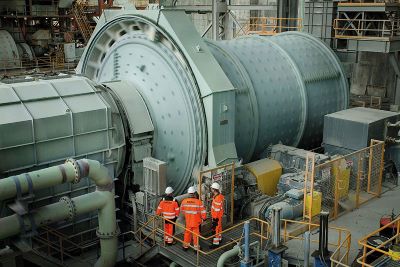 The Canada Growth Fund (CGF) invested $113 million in Nouveau Monde Graphite (NMG), a Quebec-based graphite miner and refiner (photo at right) – the second CGF investment in NMG. This commitment is part of a $411-million financing package alongside Eni S.p.A., Investissement Québec and public equity financing. The transaction involves an investment by Italian energy giant Eni (which will gain a seat on NMG’s board) of US$70 million for a stake corresponding to about 11.5 percent of NMG’s share capital, as part of a total capital increase of US$297 million. Alongside Eni, the capital increase has been subscribed to by two major Canadian institutional investors, Canada Growth Fund and Investissement Québec (financial investors backed respectively by the Government of Canada and the Government of Québec), as well as through a public equity raise. By expanding Canada’s graphite mining and refining capacity, Canada aims to attract private investment, create high paying jobs and capture greater economic value at home. The investment will support NMG as it builds a fully integrated Canadian graphite supply
  chain, backed by a mine at Saint-Michel-des-Saints (the “Matawinie Mine," photo at left) and the continued development of the Bécancour-based refining facility. The Matawinie Mine is expected to become one of the largest graphite mining operation in North America, which will help position NMG as a strategic supplier for the North American graphite supply chain, an essential input for clean technologies, advanced manufacturing and national security. In December 2024, the Canada Growth Fund, as part of a joint $71-million equity investment with the Government of Québec, invested approximately $35.6 million in NMG – CGF’s first direct investment in the critical minerals sector. Department of Finance Canada
Employment and Social Development Canada (ESDC) announced an agreement, the Canada-Quebec Workforce Tariff Response, that provides $122.5 million over three years to support workers and businesses within the softwood lumber steel and other directly and indirectly tariff-affected industries through a period of significant economic adjustment. The agreement will provide tailored skills development for the impacted workforce where workers can navigate a changing labour market so that industries can remain competitive in the global marketplace. Public employment services are offered in Services Québec offices, which can be found in every region. Specialized services for individuals are adapted to the needs of job seekers or people who want to gain new skills in an evolving labour market. Services are also available for employers and their workers to help with skills development. ESDC
Canada Economic Development for Quebec Regions (CED) announced a total of more than $63.9 million in financial assistance for 99 Quebec SMEs in the metal processing industry affected by tariffs. This funding will help them overcome challenges to commercialization and to transform in order to remain competitive in the long term. Funding recipients include CSF International, a Lanaudière business receiving CED support in the form of a $1-million non-repayable contribution to acquire equipment. This strategic investment will enable the business to accelerate a project aimed at increasing its productivity and strengthening its competitiveness, while also supporting its growth and presence on international markets. CED
Prairies Economic Development Canada (PrairiesCan) announced an additional $50 million in non-repayable funding for the Canadian Critical Drug Initiative (CCDI) through the Regional Innovation Ecosystems program, to support Alberta-based researchers to secure critical pharmaceutical production capacity. This additional investment will support Applied Pharmaceutical Innovation (API), a not‑for‑profit organization that helps innovators commercialize life sciences technologies. In partnership with the University of Alberta, API will use the funding to support construction of the Critical Medicines Production Centre. Once complete, the facility will enable the end-to-end large-scale Canadian manufacturing of a variety of pharmaceutical products. This investment will create high-quality jobs, drive economic growth in the Edmonton area, and support Canada’s sovereignty by building stronger and more reliable and supply chains. The CCDI supports the production of critical medicines relied upon in hospitals and pharmacies and, more broadly, contributes to a secure and reliable supply of drugs and biodefence capabilities in support of national defence. PrairiesCan
Natural Resources Canada (NRCan) announced $30 million to create 900 employment and skills training opportunities over two years for youth across the country in the natural resource sectors, including energy, forestry, mining, earth sciences and clean technology. Through the Science and Technology Internship Program (STIP) – Green Jobs, employers can apply for funding to hire, train and mentor youth aged 15 to 30 for up to 12 months. These jobs provide hands-on experience to help young Canadians develop marketable skills and support Canada’s clean economy. Since 2017, STIP – Green Jobs has created more than 6,000 jobs and skills training opportunities for young people in all provinces and territories. On average, about 80 percent of youth found full-time employment after participating in the program. The STIP – Green Jobs program is part of the Government of Canada’s Youth Employment and Skills Strategy, which supports young Canadians in successfully transitioning into the labour market. Visit NRCan’s STIP – Green Jobs page to find out how to apply to be an employer or an intern. NRCan
Natural Resources Canada (NRCan) announced over $11 million in funding for three projects under NRCan’s Energy Innovation Program – Battery Industry Acceleration Call for Proposals. These investments will support innovation in battery materials and help strengthen Canada’s growing battery and critical minerals value chain, especially in Quebec, which already hosts nearly a quarter of battery firms in Canada. The funding will support:
- Nano One Materials Corp.’s Commercialization of Nano One’s One-Pot Process for Lithium Iron Phosphate Productionproject will receive $4.3 million to improve and scale up the production of lithium iron phosphate, a key battery material used in many lithium-ion batteries, including those used in electric vehicles and energy storage systems.
- EcoPro Lithium Inc.’s Scale Up of the Process to Produce Battery-Grade Lithium Metal and Ultra-thin Lithium Anode Foil for Lithium Metal Batteries project will receive $6 million to scale up a new process to produce battery-grade lithium metal and ultra-thin lithium foil used in next-generation batteries.
- NanoXplore’s Made-in-Canada Ultra-High-Power Li-ion 21700 Cylindrical Battery Cells project will receive nearly $700,000 for the prototyping of ultra-high-power-capacity lithium-ion cells. NRCan
Natural Resources Canada (NRCan) announced $10.6 million for 14 electric vehicle charging infrastructure projects across Canada. These projects will install more than 1,600 chargers across Canada. Additionally, Toronto-based not-for-profit Plug’n Drive will continue to offer a cross-country EV test drive tour with an additional $1.1 million in funding from NRCan. The tour will give Canadians, especially in small and medium-sized communities where EV adoption is lower, the chance to learn about how an EV can fit into their lifestyle, compare multiple EV models in one place, ask questions and learn from EV experts. NRCan
Canada Economic Development for Quebec Regions (CED) announced a total of more than $4.49 million in Government of Canada investments in Aéro Montréal, Propulsion Québec and Sous-traitance industrielle Québec (STIQ) to implement a continuum of services for Quebec SMEs that wish to integrate into or increase their activities within national and international defence supply chains. STIQ is receiving a contribution of more than $11.99 million to offer services to manufacturing businesses in order to prepare them to meet defence sector requirements. Quebec aerospace industrial cluster Aéro Montréal and electric and smart vehicle industrial cluster Propulsion Québec are sharing a $2.5-million contribution to guide businesses in the aerospace and electric and smart transportation sectors in their commercialization efforts within the defence market in Canada and in allied countries. The three organizations will work together to offer coordinated, ongoing, complementary services to businesses to foster their integration into defence supply chains. CED
Natural Resources Canada (NRCan) announced a federal investment of over $4 million under NRCan’s Investments in Forest Industry Transformation program for a project that will strengthen the wood construction supply chain and expand Canada’s capacity to produce high value, made-in-Canada building materials. With the funding, Nanaimo, B.C.-based Atlas Engineered Products Ltd. will build a new, cutting-edge wood manufacturing facility, powered by advanced robotics. Robotics will boost precision and efficiency and reduce waste while delivering strong, reliable wooden trusses made with care for the environment. Through projects like these, Canada is retooling its forest sector to go beyond traditional products into wood-based bioproducts, advanced biofuels and diversified pulp and paper products while also scaling up production of advanced building materials like mass timber. Through the Buy Canadian Policy, federal procurement is now prioritizing Canadian wood and engineered wood products. Through Build Canada Homes, Canadian lumber, mass timber and other advanced wood-based products are helping address Canadian housing needs while driving demand back into Canadian mills and manufacturing facilities. NRCan
The Government of British Columbia is supporting companies across five strategic sectors to test their technologies in real-world industrial settings, helping them grow and create good jobs for people as part of B.C.’s Look West strategy. Through the Integrated Marketplace Platform’s early-stage demonstration call, the government is providing nearly $3.5 million to support pilot-scale demonstrations of new technologies in airports, ports, health, forestry, emergency management, marine, mining and critical minerals. Govt. of B.C.
The Government of Manitoba is investing an additional $2.5 million in the Manitoba Mineral Development Fund (MMDF) to generate sustainable economic growth in the mining industry. The Manitoba government established the MMDF through a $20-million investment. The fund is administered by the Manitoba Chambers of Commerce. MMDF directly supports the Manitoba government’s Securing Our Critical Mineral Future strategy by providing targeted investments that accelerate early mineral exploration activities and development of minerals essential to the low-carbon economy. Govt. of Manitoba
Agriculture and Agri-Food Canada (AAFC) announced an investment of up to more than $1.23 million in Burnaby, B.C.-based Anodyne Chemistries Inc. through the AgriScience Program - Projects Component, under the Sustainable Canadian Agricultural Partnership. This investment will support Anodyne Chemistries in developing and demonstrating an innovative bio-electric process that converts carbon dioxide and water into high-quality, low-carbon formic acid and hydrogen peroxide, resulting in significant greenhouse gas reductions and reduced reliance on petrochemical feedstocks for Canada’s agricultural sector. Formic acid and hydrogen peroxide both play important roles on Canadian farms, where they are used to preserve animal feed, support livestock health and sanitize equipment and crops using methods that are safe for both food production and the environment. AAFC
Prairies Economic Development Canada (PrairiesCan) announced $625,100 in federal support for Saskatchewan Industrial and Mining Suppliers’ Association Inc., the Organization of Canadian Nuclear Industries, and Southeast Techhub Incorporated. The Government of Saskatchewan is contributing $286,000 through Crown Investments Corporation. Saskatchewan’s nuclear energy potential stems from its capacity in research, testing and natural resources, especially abundant, world-class uranium. The nuclear sector will create opportunities for businesses specializing in a range of activities – from small modular reactor design and engineering to component manufacturing, plant construction and operations, and specialized services such as quality assurance and environmental management. This funding will help Saskatchewan businesses enhance their capacity to participate in Canada’s nuclear energy sector by:
- informing and educating local companies about supply chain opportunities in the nuclear industry.
- facilitating connections between Saskatchewan businesses and vendors in the nuclear supply chain.
- developing micro-credentials and accreditation support to meet industry standards. PrairiesCan
The Government of Nova Scotia announced that the Eigg Mountain wind energy project in Antigonish County received its environmental assessment approval. Construction of the wind farm, which will include 22 turbines, is expected to begin late this year. Once operational in 2028, the facility is expected to employ between four and 12 people for about 35 years and generate $1.3 million in annual tax revenue for the Municipality of the County of Antigonish. The project will generate about 154 megawatts of clean electricity, enough to power the equivalent of about 49,280 homes. It will also reduce Nova Scotia's annual greenhouse gas emissions by about 271,000 tonnes – the equivalent of taking more than 58,800 gas-powered cars off the road. The project must comply with 57 terms and conditions designed to protect the environment and human health. Govt. of Nova Scotia
Environment and Climate Change Canada (ECCC) will launch a groundbreaking hybrid weather forecasting model this spring that combines the power of artificial intelligence with the strengths of traditional forecasting methods. Through this strategic use of AI, Canada is enhancing public safety, improving emergency readiness, and giving Canadians more time to act to high-impact weather. The new hybrid model relies on AI to better predict future weather conditions, as well as relying on the traditional physics‑based model to bring in our knowledge of unique local factors like wind, temperature and precipitation. With this new tool, forecasters will have a stronger, more efficient computer system that will better assist them in providing reliable and accurate weather alerts and information to Canadians. ECCC said the new hybrid forecasting model will result in significant benefits for Canadians:
- Better performance: The hybrid model will improve the accuracy of forecasts at all time scales (short-term, medium-term, and long-range). For example, when using the new hybrid model, the six-day forecast will be as accurate as our five-day forecast is now, when using the traditional model.
- Advance notice of major weather systems: Improvements in large-scale accuracy, which will translate into predictions of major systems (such as winter storms, heat waves or atmospheric rivers) from eight hours to over 24 hours earlier.
- More confidence: Improved accuracy for predicting when specific weather conditions are expected to start and for mapping the track that a storm will follow.
ECCC commissioned a Council of Canadian Academies expert panel report that last year recommended coupling AI with traditional forecasting methods. ECCC
The Government of Saskatchewan’s Energy and Resources Minister Chris Beaudry will lead a delegation to Ottawa this week to advocate for federal policy changes that support Saskatchewan’s helium industry, encourage private investment and strengthen Canada’s role as a reliable supplier of helium to global markets. Saskatchewan is Canada’s leading producer of helium, supplying about three percent of the world’s total supply. Through the provincial Helium Action Plan, Saskatchewan is working to grow that share to 10 percent by 2030. Saskatchewan helium producers have invested approximately $700 million in the province, and continued growth will depend on a competitive policy environment that gives companies the confidence to invest and expand. Global helium supply chains are heavily concentrated and increasingly vulnerable to disruption. Ongoing geopolitical instability is now threatening a fifth global helium supply shortage in recent decades. Because helium is irreplaceable in most applications, supply reliability is critical, and Canada has an opportunity to respond to demand. Govt. of Saskatchewan
Immigration, Refugees and Citizenship Canada (IRCC) said in a Facebook post that Canada saw approximately 53 percent (361,935) fewer arrivals of new students and temporary workers compared to 2024:
- 61 percent (177,595) fewer new students.
- 47 percent (184,340) fewer new temporary workers.
The number of students visas fell by more than twice as far as IRCC had predicted and was 66 percent lower than the 2024 number, the University World News reported. Between 2023 and 2025, the number of new international study visas issued by Canada dropped by nearly 90 percent from 456,690 in 2023 to 50,370 by September 2025 (a partial year). IRCC failed to anticipate that the first reduction of 35 percent (announced in January 2024), would disproportionately affect smaller provinces. “We're seeing program closures, enrolment caps, hiring freezes, and even layoffs for the first time, and likely in over a generation,” David Robinson, executive director of the Canadian Association of University Teachers, told University World News. Meanwhile, IRCC is notifying roughly 30,000 refugee claimants that they may be ineligible to have their cases heard by the Immigration and Refugee Board under recently enacted changes. The federal government says the letters are part of a “procedural fairness” process that allows applicants to provide additional information before a final eligibility decision is made, and that they are not deportation orders. However, some claimants are also being told they may need to leave Canada if their claims are deemed ineligible, though they may still be able to seek a separate risk assessment process. University World News
Artificial intelligence is being used to bolster immigration and asylum cases in Canada by generating fake narratives, including references to fabricated court decisions. Both Immigration, Refugees and Citizenship Canada (IRCC), and the Immigration and Refugee Board (IRB), an independent tribunal that rules on asylum applications, said they have detected the use of AI in applications containing fake or inaccurate information. The IRB said the use of AI in applications to stay in Canada as a refugee is creating a fresh challenge for its employees. If misrepresentation, use of faked documents or other types of fraud are confirmed, foreign nationals can face a five-year ban from entering Canada. The Canada Border Services Agency, IRCC and the RCMP investigate immigration fraud. IRCC said its AI systems have been trained to detect fraudulent manipulation of documents, such as academic records and bank statements, as well as artificially “morphed” photographs that could be used in an attempt to commit identity fraud or to mislead an immigration officer about a person’s age. The Globe and Mail
Agriculture and Agri-Food Canada announced the mentor-mentee pairings for cohort seven of the Saskatchewan Next Gen Agriculture Mentorship Program, funded through the Sustainable Agricultural Partnership. This 18-month program provides emerging agricultural leaders with hands-on leadership development and opportunities to participate in decision-making that shapes the future of Saskatchewan's agriculture industry. Participants of the program gain experience in agricultural boards and their governance, agriculture advocacy, business development, networking, media management and financial management. This year's mentees and mentors are:
- Alexa Berezowski, paired with mentor Cody McNernie.
- Cheyenne Quam, paired with mentor Krystal Tendler.
- Holly Sparrow, paired with mentor Nicole Jones.
- Jessica Davey, paired with mentor Alan Jackson.
- Kaitlyn Kochanowski, paired with mentor Blake MacMillan.
- Mark McMurphy, paired with mentor Todd Andries.
- Kennedy MacNeil, paired with mentor Tom Harrison.
- Cassidy Ross, paired with mentor Kelly Cruise.
Mentees are selected by the Canadian Western Agribition Advisory Committee based on their application and letters of reference. AAFC
The Government of Québec is considering a partnership with Montreal’s CGI to lessen its reliance on American big tech. The Ministry of Cybersecurity and Digital Affairs has been working for over a year to create an entity to ensure its independence and the security of data (information on the health of Quebecers, their driver's licenses, their income, etc.), in conjunction with the Quebec multinational specializing in information technology. According to documents seen by Le Journal de Montréal, CGI founder Serge Godin would be willing to cede to the state the intellectual property of his firm's source code in exchange for a significant stake in the new company. There are concerns about that CGI could find itself in a dominant position, or even a near-monopoly, in government IT projects. The Quebec government would be a 51-percent shareholder, while CGI could hold up to 49 percent of the shares, according to the financial arrangement. The Quebec government, however, maintains that CGI would have an obligation to subcontract between 30 percent and 50 percent of each project to Quebec suppliers. Ministries and agencies would also retain the option of using traditional tendering processes and choosing another company. The plan was to be implemented as early as April, with a first pilot project at La Financière agricole du Québec. Preliminary work totaling $110 million has already been allocated. Le Journal de Montréal
Several environmental groups have launched a constitutional challenge seeking to kill a Government of Ontario law that created “special economic zones” that allow cabinet to suspend other laws, arguing that the Doug Ford government has abdicated the role of the legislature. Wildlands League, Environmental Defence Canada, Friends of the Earth Canada and Democracy Watch allege Ontario's special economic zone law delegates powers reserved for the legislature and wrongly puts them in the hands of the cabinet. Ford's Progressive Conservative government passed Bill 5, which included the special economic zone provision, last year. The provision allows cabinet and the environment minister to suspend any and all provincial and municipal laws within such zones as they see fit. "What it amounts to is an abdication of the legislative role, and when you get to that point of abdication, that's unconstitutional,” said Lindsay Beck, a lawyer with Ecojustice who is representing the organizations. The government has said the aim of the legislation is to speed up the approval and construction of large projects, including mines. The Canadian Press
RESEARCH, TECHNOLOGY & INNOVATION
The Natural Sciences and Engineering Research Council of Canada (NSERC) and the Canadian Nuclear Safety Commission announced just over $5.87 million in funding over two years to support 25 research projects through Phase II of the NSERC-CNSC Small Modular Reactors (SMRs) Research Grant Initiative. This funding supports innovative research, emphasizing advancements in reactor safety, efficiency and environmental impact. The work spans research on materials, fuel behaviour, environmental considerations and the integration of advanced digital and secure control systems. It also includes broader studies on the operational and safety needs of emerging reactor designs. Collectively, these projects will inform evidence-based regulatory decisions, enhance the safe design and operation of SMRs, and train the next generation of nuclear scientists and engineers. NSERC
Canadian Heritage announced $1 million in funding for fiscal year 2025–26 to support French-language research in Canada. The investment was made through the Action Plan for Official Languages 2023–2028 initiative to support the creation and distribution of scientific information in French. It was divided among three federal agencies responsible for administering the funding: the Social Sciences and Humanities Research Council of Canada, which receives $400,000; the Natural Sciences and Engineering Research Council of Canada, which receives $350,000; and the Canadian Institutes of Health Research, which receives $250,000. These agencies are responsible for administering the funding, which aims to support research in French, training for the next generation of francophone scientists, and the production and distribution of research on the Francophonie and on issues of interest to Francophone communities across the country. Canadian Heritage
The Natural Sciences and Engineering Research Council of Canada (NSERC) announced that new funding is now available to support projects that advance the development and adoption of quantum technologies in Canada through partnerships between university researchers and organizations from the private, public or not-for-profit sectors. Proposals may address any challenge in quantum science, but the proposals’ thrust must aim to advance one or more of the three National Quantum Strategy missions through the development of any of the following areas of quantum technologies, or a combination thereof:
- quantum algorithms/encryption, including post-quantum cryptography.
- quantum communications.
- quantum computing.
- quantum materials.
- quantum sensing.
Applicants are encouraged to consult the mission roadmaps, developed in close consultation with Canada’s quantum community, and to align their proposed research projects with the agreed-upon actions to tackle the challenges, gaps and opportunities the roadmaps identify for each mission. Refer to the Alliance Quantum grants call for proposals: Advancing the development and adoption of quantum technologies in Canada for more information. Letters of intent are mandatory and must be submitted by July 27, 2026, before 8 p.m. E). Full applications are due by October 5, 2026, before 8 p.m. ET. NSERC
BMO announced the establishment of the BMO Institute for Applied Artificial Intelligence & Quantum, a new enterprise‑wide centre of excellence focused on the responsible innovation, application and governance of AI and the development of quantum capabilities. BMO's Institute brings together expertise from across science, policy, ethics and commercialization to build on BMO's decades-long use of AI while advancing its quantum ambitions to enhance client experiences, increase productivity and efficiency, and support long‑term growth, while maintaining strong governance and trust. Effective April 6, Kristin Milchanowski, BMO’s current chief AI and data officer, was appointed BMO's Chief AI & Quantum Officer and will be the founding director of the BMO Institute for Applied Artificial Intelligence & Quantum. In this expanded role, she will continue to advance BMO's AI and quantum capabilities, serve as a thought leader and ensure strong, responsible governance across the enterprise. BMO Financial Group
At the request of the National Research Council of Canada, the Council of Canadian Academies (CCA) will assess effective ways to increase the adoption and use of technologies that support aging in place. By 2036, approximately 25 percent of people in Canada will be aged 65 or older, intensifying pressures on health care systems that are already challenged by capacity limits, workforce shortages and disease burden. As the population ages, existing approaches to help older adults remain at home and in their community are falling short. Despite a preference to age in place, many older adults spend time in long-term, critical or palliative care. Evidence-based approaches to support the adoption and use of promising and existing technologies could significantly improve quality of life for older adults and enable them to remain in their homes, while easing demands on caregivers and the health care system. A CCA expert panel will be appointed in the coming weeks, with the final report expected to be published in spring 2027. CCA
After years of providing virtual accelerator programming to accessibility technology startups and borrowing space for community events, Access to Success (ATS) has officially opened its first physical hub in Toronto. Through the newly launched ATS Innovation Hub on Toronto’s eastern waterfront, the nonprofit aims to support the growth of companies developing solutions in areas like mobility, hearing, vision, cognition, aging, neurodiversity and rehabilitation. ATS founder and executive director Varun Chandak said the hub will give accessibility-focused entrepreneurs a dedicated co-working and collaboration space where they can build amongst their peers and connect with potential partners, investors and government stakeholders. Chandak said the 78 companies across six cohorts that ATS has supported since 2019 have gone on to provide solutions that have collectively benefitted more than 2.5 million people with disabilities. BetaKit
Calgary-based Marvel Biosciences Corp. and its wholly owned subsidiary, Marvel Biotechnology Inc., a drug discovery company developing novel therapeutics for autism spectrum disorder and related conditions, announced it secured non-dilutive funding from Alberta Innovates. The funding is from Alberta Innovates’ Accelerating Innovations into CarE market access program to support the Phase I testing of the company’s lead compound, MB-204. The $600,000 in funding project represents a significant contribution toward the overall cost of the Phase I clinical trial of MB-204 and supports the advancement of the program into human trials. In addition, Marvel also recently received a grant from the National Research Council of Canada Industrial Research Assistance Program (NRC IRAP) for the development of a novel, small volume, liquid-based formulation of MB-204. This pediatric-friendly formulation is designed to improve patient compliance, particularly for individuals with difficulty swallowing. MB-204, is a novel fluorinated derivative version of Istradefylline, an approved Parkinson’s drug and the only adenosine A2A receptor blocker currently on the market. Research shows that blocking the A2A receptor may help treat conditions such as autism, depression and Alzheimer’s disease. Marvel Biosciences
Saint-Laurent, Que.-based Ciara Technologies, a division of Montreal-headquartered Hypertec Group and a leader in sustainable AI infrastructure and advanced data-centre technology, announced that it was officially designated as the first Canadian NVIDIA OEM (Original Equipment Maker) Partner manufacturing systems in Canada. This milestone places Canada among a select group of nations with domestic manufacturing and integration capabilities for NVIDIA Certified Systems, Hypertec said. Through Ciara, Hypertec will manufacture Canadian-built, NVIDIA-Certified AI servers, giving enterprises, researchers and public institutions a secure, domestic infrastructure option. The initiative directly supports Canada's goals around data sovereignty, trusted AI, secure supply chains and national compute capacity. NVIDIA Partner Network OEM Program partner status grants Ciara and the Hypertec Group access to NVIDIA's advanced engineering resources, reference architectures, integration frameworks and future technology roadmaps, aligning Canadian-manufactured systems with global expectations for performance, sustainability, and security. Hypertec Group
Microsoft Canada Inc. said its data centres for AI use won’t increase the price of electricity for Canadians or affect their water use. AI data centres can quickly consume more than 100 megawatts of electricity, equivalent to the annual consumption of 100,000 households, according to the International Energy Agency. The centres also require water to cool down because they quickly heat up, with an average mid-sized data centre using about 1.4 million litres of water a day, according to Verisk Maplecroft, an England-based risk consultant. Microsoft, which committed to investing $19 billion in Canada last December to expand its cloud and AI infrastructure, said AI infrastructure brings “enormous opportunity,” but it is aware Canadians have “real questions” about affordability, energy and water use, jobs and the impact on local communities. Microsoft said it will design energy-efficient data centres, work with provinces, utilities and other stakeholders to plan new power supply in advance, and support public policies on sustainable power. According to Microsoft’s estimates, the annual water consumption of its new data centres in Quebec and Ontario will be equivalent to about 20 average Canadian households. Financial Post
As Alberta attempts to be Canada’s top destination for data centres, some of these power-hungry facilities could lead to an upward jolt in electricity prices, analysts say. The group that oversees the province’s grid, the Alberta Electric System Operator (AESO) approved two data centre projects that could connect to the power network. These projects “will lead to higher demand and higher power prices in Alberta,” CIBC investment analysts wrote in a note to clients. Alberta in late 2024 vowed to attract $100 billion worth of data centre projects by the turn of the decade. Then came a surge of two dozen proposals that totalled about 16,000 megawatts – more than 10 times Edmonton’s load on the grid – which prompted the AESO to place a 1,200 megawatt-cap on new connections. The cap had the effect of narrowing the list of projects that can advance in the near term: two facilities will plug directly into the electricity grid without any new power plants or generation capacity to offset the extra demand. The AESO said in a statement that increased power demand from these projects “could put upward pressure on electricity prices.” Under Alberta’s deregulated electricity market structure, higher prices should incentivize new generation to come online, eventually pushing prices downward, the AESO said. Calgary Herald
La Caisse (formerly CDPQ), a global investment group, and Prologis, Inc. announced an agreement to create Prologis Logistics Investment Venture Europe (PLIVE), a new pan- European joint venture focused on acquiring, developing and operating high-quality logistics properties. La Caisse and Prologis will hold 70 percent and 30 percent interests, respectively, with governance rights shared between the partners. Prologis will provide specialized asset management and development expertise as the operating partner of the platform. The PLIVE launch portfolio will provide immediate scale in Europe’s key logistics corridors and a strong foundation for demand-led, long-term growth. This venture builds on an established relationship between the two firms dating back to 2019, when they formed a logistics joint venture in Brazil. With approximately EUR 1 billion in seed assets (Cdn$1.6 billion), the platform will initially combine income-generating properties and development sites contributed by both partners. This will include approximately 844,000 square metres of Class A logistics space across France, Germany, the Netherlands, Sweden and the United Kingdom. La Caisse
The Port of Montréal has broken ground on its Contrecœur Container Terminal Project, less than seven months after the project was referred to the federal government’s Major Projects Office (MPO). This project will expand the capacity of the Port of Montréal by approximately 60 percent – making it the largest eastern port expansion in Canadian history. The expansion will add a modern, high-efficiency container terminal with integrated rail, road and marine infrastructure. It will unlock one of Canada’s most critical trade corridors, enabling significantly more goods to move reliably through the St. Lawrence gateway. Through the MPO, the federal government brought partners together – the Government of Québec, the Montréal Port Authority, Indigenous partners, and the private sector – to move this project forward. The MPO streamlined approvals, developed an effective financing model, and helped secure permits faster. The federal government also committed $1.16 billion in financing through the Canada Infrastructure Bank to ensure investors had the certainty they needed to advance this terminal expansion quickly. Prime Minister of Canada
Documents show the volume of natural gas flared at the LNG Canada plant on British Columbia's north coast between October and January far surpassed what its permit allows. University of Victoria air quality researcher Laura Minet obtained monthly air emissions reports filed by LNG Canada to the BC Energy Regulator under freedom of information proceedings. The reports break down the flaring source into three categories: warm/wet, cold/dry and storage and loading. During the four-month period covered in the filings, warm/wet flares exceeded permitted volumes by 45 times on average, cold/dry by 40 times and storage and loading by five times. Natural gas is piped to the plant in Kitimat, B.C., and chilled into a liquid, enabling it to be shipped in specialized tankers across the Pacific to energy-hungry Asian markets. An LNG Canada spokesperson said in an emailed statement that the facility is in the early operations phase and increased flaring is a normal occurrence, but in regular operations, flaring activities reduce significantly. Ten community notifications advising of "flaring events" have been posted by LNG Canada since the beginning of March. Environmental and health care groups have been raising concern about the potential health impacts of pollutants released through flaring. In Alberta, the Alberta Energy Regulator bent to pressure from the Government of Alberta and oil companies to eliminate a limit on flaring as oil production increased. (See the December 10, 2025 Short Report). The Canadian Press
Microsoft has agreed to purchase 626,000 tonnes of durable carbon dioxide removal credits from the North Star bioenergy with carbon capture and storage (BECCS) project, marking a significant step in scaling engineered carbon removal in North America. The agreement, spanning 15 years, anchors one of Canada’s first Indigenous-owned BECCS developments and signals growing corporate demand for high-integrity removal solutions. The project is being developed by North Star Carbon Solutions LP, a partnership between Svante Technologies Inc. and the Meadow Lake Tribal Council. It will be co-located at the MLTC Bioenergy Centre, a renewable power facility fueled by sustainable waste biomass sourced from local sawmill operations. At full capacity, the North Star facility is expected to capture up to 90,000 tonnes of carbon dioxide annually. The captured emissions will be transported and permanently stored in a dedicated geologic storage site owned and operated by North Star, creating a vertically integrated system from biomass feedstock to long-term sequestration. Carbon removal credits generated under the agreement are expected to meet established crediting standards, supported by rigorous monitoring, reporting and verification protocols. ESG NEWS
Calgary-headquartered North American Helium wants federal government financial support to build Canada’s first liquefaction facility. The company, which started producing helium in 2020 and accounts for about three percent of the global supply, currently relies on facilities in the United States to liquefy its products. The company said it wants to build a $100-million liquefaction facility in Canada, but needs federal financial support to raise the necessary money. Brad Borggard, chief financial officer of North American Helium, said some form of tax credits or other financial support from the federal government would help. The company said it would likely build the project in southwest Saskatchewan, where it explores and produces helium on a nine-million-acre land package. Helium serves many industrial purposes, including the manufacture of semiconductor chips, cooling magnetic resonance machines and fibre optics. The ongoing conflict in the Middle East has laid bare the vulnerabilities in the global helium supply chain. Iran recently knocked out production at a facility in Qatar that accounted for an estimated one-third of worldwide helium, which is pushing prices higher and creating new demand pulls. Financial Post
Despite continued government investment, Canada’s space sector generated 25 percent less revenue in 2024 than it did in 2014. A key reason, identified in RBC’s recent Higher Orbit report, is clear: the government rarely buys from innovative Canadian companies reliably enough for those companies to grow. An anchor customer is a consistent government buyer – one whose procurement is reliable enough that companies can hire, invest, and scale around it. NASA plays this role for the American space industry. The Canadian Space Agency (CSA) largely does not, Kurtis Broda, co-founder and chief operating officer of Edmonton-based Wyvern, which captures high-resolution images of Earth from space, said in a commentary in BetaKit. CSA should change how it buys, which needs a mandate from the federal government, he said. The Department of National Defence’s Launch the North challenge is already doing exactly what CSA should be doing: outcome-based, competitive funding awarded to Canadian companies like NordSpace, Canada Rocket Company, and Reaction Dynamics, with companies advancing on demonstrated performance rather than legacy relationships. “CSA should adopt the same approach across its mission portfolio: buy Canadian capability, not Canadian hardware, and let companies own the assets and grow from there,” Broda said. Canada also needs to build on the CSA’s flagship innovation funding program – the Space Technology Development Program (STDP), he said. This program is the primary pathway in which the CSA contributes a portion of funds to private companies to conduct R&D. STDP has funded real innovation – over 80 percent of recipients, which include Wyvern, are small and medium-sized companies building genuine capability. But there is a structural gap between a successful STDP grant and a government procurement, Broda noted. A company builds something that works and then has no formal pathway to get it purchased. Canada needs a continuity mechanism that bridges that gap, pulling proven technologies into sovereign missions and procurement, he said. BetaKit
Interac Corp. announced that Neo Financial, a Calgary-based financial technology company, is joining the Interac e-Transfer® service as a participant following the recent broadening of access to the service for qualified Payment Service Providers. This access allows Neo greater independence, more control over their customer experience and the flexibility to build new payment features on Neo's roadmap. Neo is now positioned as a participant in Canada's digital payments infrastructure alongside major financial institutions. Neo is the second fintech, after Wealthsimple, to be a direct participant in Interac’s e-transfer service. Interac Corp.
Toronto-based FUTR Corporation has signed a binding letter of intent with Dominica-based EQITrade to form a global digital banking joint venture. The planned deal would bring together FUTR’s AI Agent App, secure data vault and the FUTR Foundation’s FUTR Token rewards system with EQI’s banking infrastructure, payments network, lending, treasury custody and digital asset trading capabilities. The transaction is intended to support the creation of a digital banking platform built for AI agents. The financial products are expected to sit within a newly formed joint venture company, with FUTR owning 75 percent (which it will pay for by issuing up to 15 million shares to digital banking company EQITrade) and EQITrade 25 percent. Under the proposed arrangement, FUTR would add banking features to the FUTR Agent App over time, including multi-currency accounts, card products, yield, stablecoin services, crypto lending and digital asset trading, subject to regulatory approval in the relevant markets. The venture is also expected to support wider distribution of the FUTR Agent, together with its data vault and rewards tools, through EQIBank’s client base. Retail Banker International
In the coming weeks, Maine could be the first state in U.S. to pass a temporary moratorium on new data centres – giving it until late 2027 to study how much electricity and water they use, and how they might impact jobs and the local economy. Similar temporary bans are being proposed in deeply red and blue states alike, including New York, South Carolina, Oklahoma and Vermont. And there are dozens of local bans at the county and municipal level, often in response to a new data centre coming into a community. Proponents say these bills are a response to an industry that has been strikingly fast-moving and secretive, providing little opportunity for substantive public input. There are over 4,000 data centres around the U.S., according to the Data Center Map. Virginia has the largest data center cluster in the world, and there’s a proliferation in Texas and California as well. Nationally, more than 140 local groups around the country have managed to block or delay more than $60 billion worth of investment in US data center projects in a little over a year, according to the nonpartisan research firm Data Center Watch, CNN Climate
*****************************************************************************************************************************
It's official: scientists aren’t funny – but it doesn’t have to be this way
By Helen Pilcher
Helen Pilcher is a science writer and the author of This Book May Cause Side Effects. This piece first appeared here, with several more hyperlinks, in The Guardian.
Science is an infamously dry endeavour. The noble practice seeks to answer humanity’s most inscrutable questions. How did life begin? What is consciousness? Why does naming cows increase their milk yield?
Within this austere framework, there is little room for levity. I think most scientists would agree there is nothing funny about bottom quarks, nor the five-membered organoarsenic compound known as arsole.
So I wasn’t surprised by the findings of a recent peer-reviewed paper, published in Proceedings B of the Royal Society, that surveyed the use of humour across 531 scientific talks at 14 academic conferences.
Stefano Mammola, from the Italian National Research Council, and colleagues found that on average scientists delivered only 1.6 jokes per presentation, of which 66 percent generated “only polite chuckles.” Science and comedy, it seems, don’t mix.
The findings confirm research that I conducted more than 20 years ago. Under the guise of the Comedy Research Project, Timandra Harkness and I performed a randomized clinical trial to assess whether or not science can be funny.
In identical rooms in front of audiences, two researchers were given a microphone. One of them, the “experimental” scientist, gave a talk with jokes, while the “control” scientist gave a talk without jokes. To ensure academic rigour, the study was double-blinded. This meant that no one, not even the scientists, knew if they were cracking gags or not.
We found that, in both conditions, laughter levels failed to reach statistical significance.
At the time, our unpublished, peerless-reviewed data was a blow, because it followed arguably the finest period for pairing science and comedy. In the 1980s and 90s, emerging technology paved the way for the discovery of many new genes. Scientists were given free rein to name them and, for a short while at least, some dropped their guard.
There was “cheapdate,” the gene that affects alcohol tolerance in fruit flies, or “indy” (short for “I’m not dead yet”), which affects life span. My personal favourite was the “ken and barbie” gene, which prevents the development of external genitalia. Good times rolled, until the fun police came calling.
In the early 2000s, the Human Genome Organization Gene Nomenclature Committee recommended scientists stop using names of this ilk. Kids didn’t want to hear that “sonic hedgehog” [protein] had mutated. Nor did adults want to know that their “I’m not dead yet” gene was faulty. Scientific whimsy was extinguished like a flame.
I think it’s a shame that there’s not more humour in science. From the food we eat and the cities we build to the vehicles we make and the medicines we take, science affects us all.
Non-scientists should be able to engage with research without being bamboozled or bored. It is the job of scientists not only to perform their studies, but to communicate them clearly to their peers and beyond. Comedy can help with this.
Academics have studied what happens when scientists do manage to successfully incorporate wit. A 2025 study called “Wit Meets Wisdom” found humour can boost credibility and likability.
Researchers are also seen as more trustworthy and their findings are less likely to be disputed. In an era in which political hubris and greed vie to undermine the scientific consensus on key issues such as the climate crisis and vaccination, every morsel of evidence-based science communication counts. If a well-timed one-liner helps this information to be received, so much the better.
Comedy brings people together. It can build cohesion and foster a sense of shared perspective. Things that are amusing are also more likely to be remembered. So researchers can choose to beat people around the head with a copy of The Structure of Scientific Revolutions and hope the information enters by osmosis, or they can have a little fun.
I’m not saying all research should be converted into standup comedy. Instead, I’m suggesting that sometimes scientists should ditch the stiff upper lip and adopt a more playful tone. Most people don’t want to be lectured. They prefer to be entertained.
In my job as a science communicator and trainer, I do this whenever I can. I once devised a sausage-related scale to measure the size of the hedgehog-like tenrec, and conducted a thought experiment to see if Elvis could be cloned with a lock of his hair bought from eBay.
So, to the researchers at Mammola’s conferences who tried and failed to land their jokes, I say: don’t give up the day job, but do keep cracking gags.
And to the scientists who published a paper in the premier journal Angewandte Chemie International Edition, titled Unusual Substitution in an Arsole Ring, I say: there’s absolutely nothing funny about that. The Guardian
VC, PRIVATE INVESTMENT & ACQUISITIONS
The Business Development Bank of Canada (BDC) announced the launch of its $150‑million Life Sciences Venture Fund, created to support the next generation of Canadian companies in the sector. With this new Fund, BDC is aiming to complement the existing market by providing patient capital to early‑stage seed and Series A companies, so that they can move from the lab to the market. The Fund will focus on the two sectors where Canada has the most opportunities: therapeutic products and medical technologies. Life sciences are a major engine of Canada’s economy, contributing $18.3 billion annually, representing 0.8 percent of GDP, and supporting more than 135,000 specialized jobs. By providing a new source of Canadian capital, BDC aims to help entrepreneurs bring new health solutions to market and retain scientific talent in Canada to strengthen our competitiveness. Although the life sciences sector continues to demonstrate the strongest 10‑year venture capital returns in Canada, financing gaps persist, especially at the earliest stages of company development. BDC appointed Parimal Nathwani, who most recently served as president and CEO of Toronto Innovation Acceleration Partners, as managing partner of the Fund. A seasoned life sciences leader, he brings more than 20 years of experience in building and scaling biotechnology and medical technology companies. BDC
Royal Bank of Canada CEO Dave McKay said the lender plans to deploy up to $1 billion in the coming years to bolster investments in Canadian companies as the country attempts to redraw trade routes. To finance Canada’s major projects, the country will need $1.8 trillion in capital investment over the next decade, according to new research by RBC. That will require the private sector to step up, Ottawa to attract foreign investment, and companies to remain and grow in Canada, McKay told The Globe and Mail. At RBC’s annual meeting in Toronto, RBC said it plans to launch a growth fund to help companies scale in Canada. Over the past decade, 70 percent of growth capital for the tech sector has come from U.S. funds, McKay said. While those investments help Canadian companies expand, it also increases the pressure on those businesses to relocate to the U.S. The bank plans to expand RBCx – its technology and innovation banking unit led by former OMERS Ventures managing partner Sid Paquette – from largely a banking and debt financing lending facility to include venture capital investments. The Globe and Mail
Quebec public pension fund manager La Caisse is backing a AU$1-billion bond issued by Australia-headquartered data centre developer NEXTDC. The Hybrid Securities bond will provide NEXTDC with flexible, long-term capital to support the company’s growth funding requirements and strategic initiatives, including the continued development of key data centre assets and the advancement of future capacity expansions. The Hybrid Securities will have a non-call period of five years and a maturity of 100 years. They are expected to be tax deductible and classified as debt for accounting purposes, and will sit outside the company’s senior debt facilities. This funding is expected to enhance the company’s financial flexibility. NEXTDC
A group of B.C. not-for-profits is moving beyond the traditional donation-based funding models, and launching venture funds to help commercialize research while retaining potential returns. Praxis Spinal Cord Institute is raising capital, not through its usual fundraising activities, but for a venture fund it plans to launch later this year. The Vancouver-based not-for-profit specializes in spinal cord injury research, innovation and care. The move follows similar initiatives by other B.C. organizations, including the University of British Columbia and InBC Investment Corp., which announced the UBC Catalyst Ventures Fund last month. UBC and InBC are each providing $10 million to the UBC Catalyst Ventures Fund. And last April, Port Coquitlam-based Terry Fox Foundation launched the Cancer Breakthrough Fund in partnership with Lumira Ventures. The model behind these venture funds is similar – rather than providing grants to early-stage research in their focus areas that may later be commercialized by external investors, the not-for-profit invests directly in projects through its own venture fund. This allows the organization to guide projects through commercialization, participate in their growth and capture some of the financial upside, said Arushi Raina, director of Praxis. Business In Vancouver
Vancouver-based pH7 Technologies raised US$32 million in a Series B funding round , with new backing from Asahi Kasei and the Circular Innovation Fund, alongside previously announced investors, led by Fine Structure Ventures, with participation from BHP Ventures and continued support from existing investors. In addition, pH7 secured venture debt financing from RBCx, bringing the total financing package, including Series B equity and venture debt, to approximately Cdn$55 million (approximately US$$39 million). The company’s technology enables operators to economically recover metals from low-grade ores, tailings and other previously uneconomic feedstocks, unlocking new sources of copper, nickel, gold and platinum group metals. pH7 said proceeds from the financing will accelerate the commercialization and global deployment of the company’s extraction technology for the mining sector, beginning with copper, as governments intensify efforts to secure domestic and allied supply chains. pH7 operates a commercial facility in Vancouver extracting platinum group metals from spent catalysts and is advancing its mining sector applications toward global deployment. pH7
Kitchener-Waterloo, Ont.-based software startup Mappedin raised US$24.5 million in a Series B funding round. The all-equity round was led by Nashville’s Edison Partners with participation from fellow new investor, Hong Kong-based Betatron Venture Group. Mappedin creates digital maps of complex indoor environments such as hospitals, airports and shopping centres using artificial intelligence, remote sensing and 3D modelling. The company plans to extend its platform beyond individual buildings to entire cities and support applications for emergency response and public safety. The firm said it has already mapped more than 10 billion square feet across 86 countries. Executives note that while outdoor navigation is well developed, indoor mapping remains a significant gap in digital infrastructure. Decoder
Montreal-based GridBank raised $6 million in a seed funding round led by StandUp Ventures, co-led by Version One Ventures and GreenSky Ventures, with participation from AQC Capital and Anges Québec. GridBank's platform turns every smartphone into a supply node in a global marketplace for phone-captured media. The company maintains a continuously updating library of video, images, and location-tagged content captured by everyday users and connects it to companies that need authentic, ground-level media. Pricing is automated based on market demand, eliminating the per-deal friction of agencies, contractor networks and traditional stock licensing. GridBank said the funds will be used to accelerate product development, expand the team, and drive market growth. GridBank
Calgary- and Chicago-based Flora Fertility raised US$5 million in a seed funding round led by ManchesterStory, with participation from Slauson & Co., BDC and others. Past investors also participated. The new funding will be used to capitalize on Flora's first-mover advantage as the company drives category creation in fertility insurance. The company is building in an entirely new and untapped market within the InsurTech and women’s health landscape to expand access to preventative family planning solutions. Flora plans to use the funds to grow its customer base and integrate its services into health care settings. The company is addressing the problem that what little fertility insurance coverage exists remains largely employer-tied, leaving millions unprotected the moment they change jobs, go independent, or work somewhere that doesn't offer the benefit. Ben Joskovictz on LinkedIn
Chicago-based Motorola Solutions acquired San Francisco-headquartered HyperYou Inc., which also has offices in Toronto and Whitehorse, and which uses AI to screen out non-emergency 911 calls. Terms of the deal weren’t disclosed. Motorola said the acquisition expands the company’s use of agentic AI across its Command Center portfolio and mission-critical AI, Assist. The company also plans to roll out additional specialized AI agents that understand the context of 911 calls, radio traffic and other data sources to take emergency actions. Many U.S. public safety answering points report being staffed at only 75 percent, with call handlers often fielding non-emergency calls that can represent more than two-thirds of total volume. Hyper, which was founded in 2023 out of the Yukon, offers AI agents that can autonomously manage this workload to help reclaim capacity for the most urgent 911 emergencies. Motorola
Miami Beach, Fla.-headquartered GFL Environmental Inc. and Calgary-based SECURE Waste Infrastructure Corp. announced a definitive agreement in which GFL will acquire SECURE. GFL will acquire all of the issued and outstanding common shares of SECURE for $24.75 per common share, representing an enterprise value of approximately $6.4 billion. SECURE operates a large-scale, diversified waste management platform in Western Canada and North Dakota through its vertically integrated network of assets across over 80 locations, including 12 landfills, 55 waste treatment facilities, 12 recycling facilities, 98 injection wells and five transfer stations. GFL said that acquiring Secure will strengthen GFL’s footprint in Western Canada and North Dakota. GFL was founded in Ontario, where its executives still reside, but moved its headquarters to Miami in January. SECURE would be delisted from the TSX if the deal gets shareholder and regulatory approval. SECURE
Calgary-based industrial safety technology company Blackline Safety Corp. announced a definitive arrangement agreement with an affiliate of U.S. private equity firm Francisco Partners Management to be acquired and go private in a $850-million deal. The purchaser will pay $9 per share to acquire Blackline Safety, a leader in connected safety technology. Blackline Safety plans to delist from the Toronto Stock Exchange and transition into a private company. Blackline develops, manufactures, and sells software, wearables and hardware designed to monitor employee safety. Blackline Safety
Chicago-based private equity firm GTCR acquired Montreal-based sports streaming company LiveBarn in a deal valued at more than US$400 million, marking the first investment by the U.S. company’s new youth sports technology platform, Ascent Sports Group. LiveBarn provides automated livestreaming and video-on-demand services from thousands of sports facilities across the United States and Canada, enabling athletes, families, coaches and fans to watch games and share highlights from anywhere. The platform primarily serves the youth ice hockey community while also supporting a range of other youth and amateur sports. Over time, Ascent plans to deepen LiveBarn's capabilities in hockey while selectively expanding in additional sports. Ray Giroux, who has served in leadership positions at LiveBarn for more than a decade, most recently as chief operating officer, will become CEO of LiveBarn following the transaction. He succeeds founder Farrel Miller, who will transition to the board of directors of Ascent Sports Group. Ascent Sports Group
REPORTS & POLICIES
Ontario needs a collaborative and coordinated strategy to meet the electricity demand from data centres over the next decade
Ontario could reach 1.5 gigawatts of new data centre electricity load by 2035, with high‑growth scenarios approaching three gigawatts, according to a report by MaRS Discovery District and Mantle Climate.
Even under baseline growth, this expansion would materially increase annual electricity demand, peak load and electricity‑related emissions – particularly in the Greater Toronto and Hamilton Area (GTHA), where most cloud and AI inference providers are likely to be based, the report said.
Despite these pressures, participants who contributed to the report agree that system and emissions impacts can be significantly mitigated through the coordinated deployment of such measures as demand response, waste heat recovery, energy storage, clean power purchase agreements and low‑carbon construction.
“Notably, in the high-growth scenario, on-site power generation, likely from natural gas, would also need to play a major role,” the report said.
The report provides an analytical foundation and cross‑sector insights to support Ontario’s emerging digital infrastructure strategy. Substantial on-site generation would be required to address capacity shortfalls.
Ontario will require an additional 5,000 megawatts of province-wide capacity in the 2030-2034 timeframe due to rising electricity demand and expiring supply contracts, according to the report.
Canada ranks fifth globally for data centre density, with more than 330 data centres across the country. The GTHA is a leading Canadian data centre hub for both traditional cloud and enterprise/co-location compute power.
As of mid-2025, the Greater Toronto Area had 315 megawatts of operational IT capacity for traditional compute power.
In the first project workshop that led to the report, participants agreed that Ontario’s data centre industry will likely see baseline growth of approximately 1.5 gigawatts over the next 10 years.
Ontario-wide, the scenario baseline implies that by 2035, data centres will account for 7.3 percent of total electricity consumption, 5.8 percent of coincident peak load and 7.3 percent of total emissions
A central finding of the report is the need for co‑located, purpose‑built infrastructure or community hubs that align siting, permitting and energy infrastructure from the outset. These hubs can unlock additional energy capacity, reduce community impacts, support energy reuse and create efficiencies that individual projects cannot achieve.
Such collaborative developments are seen in other jurisdictions, but have yet to be applied at scale in Ontario.
Regulatory and permitting challenges were consistently cited as significant challenges.
Data centre development timelines often do not align with real estate cycles, utility connection processes or municipal approvals.
Overlapping provincial and municipal requirements, combined with unclear sequencing across land‑use planning, grid connections and construction permitting, create uncertainty rather than simply extending timelines.
Participants also highlighted gaps in guidance on sustainable construction, uncertainty around Canadian data sovereignty requirements, and unclear alignment between provincial and municipal decision-making.
These factors increase development risk, delay mitigation deployment and complicate efforts to ensure projects reinforce broader system and policy goals, the report noted.
In the absence of clear alignment on roles and sequencing, and fragmented planning across government, utilities, developers and communities, it can be difficult to catalyze coordinated, co-located infrastructure development.
“This fragmentation increases development risk, constrains infrastructure efficiency and makes it more challenging to align data centre growth with system capacity and community objectives.”
Based on scenario findings and cross‑sector input, the report identified several opportunities for Ontario to manage data centre growth responsibly and sustainably:
- Clarify Ontario’s strategic stance: The province needs to determine its priorities for sovereign compute power, research capacity and digital economy competitiveness.
- Leverage policy tools: Use Bill 40, the Integrated Energy Plan Energy for Generations and other policy tools to fast-track initiatives that deliver economic, sovereignty and community benefits while supporting a reliable, affordable and clean system.
- Prioritize key projects: Allocate grid access and streamline permitting processes for projects that demonstrate strong value per megawatt, including availability of on-site generation, demand response, waste heat utilization, efficiency and sustainable construction, while screening out speculative or low‑value load.
- Improve coordination: Build predictable and timely pathways for sustainable development across provincial, municipal and utility approvals.
- Foster collaboration: Establish a provincial forum or mechanism to enable co-located infrastructure planning and cross-sector initiatives.
- Develop a sustainable pilot: Create a co-located data centre development to test out mitigation solutions, governance models and permitting approaches.
Key policy elements identified through the project include:
- Establish requirements for mitigation readiness: These could include demonstrated feasibility and planned utilization of critical solutions, such as on-site generation, demand response, waste heat recovery, energy efficiency, and sustainable design and construction practices using Ontario supply chains. Providing clear guidance on acceptable and preferred approaches would support consistent implementation and reduce uncertainty for project proponents.
- Enable siting and coordination that are aligned with electricity system constraints: This is particularly important where proximity to supply, behind-the-meter power arrangements, or coordinated development with generators is feasible. Early engagement among data centre developers, utilities and generators can help reduce system impacts, improve reliability outcomes and limit the need for incremental grid infrastructure.
- Apply screening mechanisms for large-load applicants: Using the above elements as criteria can help utilities distinguish between speculative proposals and projects with credible development plans, system benefits and near-term viability.
- Create streamlined and coordinated permitting processes: These can better align land-use planning, utility processes and sustainability requirements to reduce delays and development risk while maintaining oversight. Predictable sequencing is as important as shorter timelines.
- Fast-track development pathways and targeted incentives: Projects that meet defined economic criteria and responsible development parameters could be given priority, particularly those that demonstrate early adoption of mitigation measures and contributions to system flexibility or emissions reduction.
- Develop mechanisms for accountability and monitoring: These measures could include tracking performance on energy, emissions and system reliability to inform future policy adjustments as the sector evolves.
Decisions made in the next three to five years – well before major new clean generation projects come online – will determine whether AI infrastructure growth strengthens or strains Ontario’s energy systems and communities, the report said.
At the same time, the pace of change across AI, data centre development and energy systems is accelerating, narrowing the window for coordinated, informed decision‑making.
How Ontario prioritizes, situates and enables large electricity loads will directly influence system reliability, emissions trajectories, affordability for other ratepayers and the economic value generated from scarce electricity capacity, according to the report.
Unguided, growth risks increasing system pressure and crowding out other priority electrification needs, the report said. As growth trajectories, technologies and policy frameworks continue to evolve, ongoing collaboration will remain essential.
“With deliberate policy, coordination and mitigation, the same growth can strengthen the energy system and support climate commitments, while also delivering durable economic and community benefits.” MaRS Discovery District
******************************************************************************************************************************
AI-driven job losses could leave a years-long “scarring” impact on affected workers
AI-driven job losses may not just make it harder for affected workers to find employment in the short term but also could leave a years-long “scarring,” marked by depressed income, delayed homeownership and even the lower probability of marriage, according to a new research report from Goldman Sachs.
And those outcomes are even worse if they happen during a recession, Goldman Sachs economists said.
The latest analysis, which CNN Business reported, comes as economists, policymakers, academics and workers across industries are trying to assess how fast-rising artificial intelligence technologies could affect people, sectors and societies at large.
Goldman Sachs previously estimated that six to seven percent of U.S. workers (about 11 million people) could have their jobs displaced by AI.
Goldman Sachs economists identified occupations usurped by various technological innovations since 1980, and then tracked the labor market outcomes of workers by applying data from the National Longitudinal Surveys, a federal research effort to gather information at multiple times in people’s lives.
In doing so, the economists came to four conclusions:
- Short-run impacts: It can take one month longer for technology-displaced workers to find a new job; and their inflation-adjusted earnings take bigger hits (more than three percent) versus other workers (negligible effect).
- Long-lasting impacts: 10 years after a job loss, technology-displaced workers’ real earnings were 10 percentage points below that of non-displaced workers. Technology-displaced workers also had slower wealth accumulation, delayed homeownership and delayed household formation.
- Varying impacts: The income hits are less severe for younger, college-educated and urban area residents; workers with shorter tenures and those who took advantage of retraining opportunities also fared better than others.
- Recessions worsen outcomes: The effects of technology-related displacements are amplified (by three weeks of additional unemployment and a five-percentage-point likelihood of subsequent joblessness).
“Overall, these patterns suggest that AI-driven displacement could impose lasting costs on affected workers, with substantially larger effects when job losses coincide with a recession,” economists Pierfrancesco Mei and Jessica Rindels wrote.
However, they noted, while a lot of attention has been focused on the potential negative impact that AI is having on new graduates, past research shows that younger workers who switched jobs or upgraded their skills had better outcomes.
Mei and Rindels highlighted retraining programs as a potential solution in mitigating the negative effects of technology displacement.
Those who retrained after a tech-driven job loss saw an average two percentage point increase in cumulative real wage growth over the next 10 years. Their probability of being unemployed over that period also declined by around 10 percentage points, Goldman estimated.
“Retrained workers tend to move up the occupational ladder into roles with higher abstract content – positions requiring advanced skills and greater complementarity with information and communication technology – thereby reducing their exposure to future automation,” Mei and Rindels wrote.
Goldman Sachs Research estimates that 300 million jobs globally are exposed to automation by AI.
Workers who are likely to be displaced from the knowledge industries by AI may be less suited to the kinds of labor that are most needed, said Evan Tylenda, an analyst with GS SUSTAIN.
On the one hand, these include low-skill, low-wage jobs: fast-food workers, cleaners, home healthcare workers, for instance.
On the other hand, the market will also require more skilled technical work, of the kind provided by construction workers, engineers, electricians, and lineworkers.
Beyond the infrastructure sector, the AI revolution can create new kinds of jobs. There will be an increase in demand for workers with AI knowledge and associated skills. AI will also create new, specialized occupations – in, for example, fields like health care, where technological advancements in the past have made specialization possible. CNN Business, Goldman Sachs
*******************************************************************************************************************************
The transition to AI “superintelligence” will require an ambitious new form of industrial policy: OpenAI
The transition to AI “superintelligence” will require a more ambitious form of industrial policy so that superintelligence benefits everyone, OpenAI, the maker of ChatGPT, said in a report.
“We are entering a new phase of economic and social organization that will fundamentally reshape work, knowledge, and production,” the report said. “This requires not just incremental policy responses but ambitious policy ideas for tomorrow that we must start discussing today.”
Industrial policy can play an important role when market forces alone aren’t sufficient – when new technologies create opportunities and risks that existing institutions aren’t equipped to manage, according to the report. “Industrial policy can help translate scientific breakthroughs into scaled industries and broad-based economic growth.”
A new industrial policy agenda should use government's existing toolbox for aligning public and private activities: research funding, workforce development, market-shaping tools and targeted regulation.
“But governments should not act alone,” OpenAI said. Non-governmental institutions should pilot new approaches, measure what works, and iterate quickly, then governments should reinforce successes by aligning incentives and scaling what works through procurement, regulation and investment.
This public-private collaboration should stave off regulatory capture and centralized control, instead preserving the freedom to innovate while ensuring that the onset of superintelligence isn’t dominated by the most powerful forces in society, according to OpenAI’s report.
The report presents several ideas and recommendations across two central themes:
- Building an open economy:
Advanced AI can lower the cost of essential goods, expand opportunity and give people more time for what is meaningful, relational and community-building.
It can help solve scientific challenges that still elude human effort: curing or preventing diseases, alleviating food scarcity, strengthening agriculture under climate stress, and speeding up breakthroughs in clean, reliable energy.
Yet the same capabilities making this progress possible will also disrupt jobs and reshape entire industries at a speed and scale unlike any previous technological shift, the report noted.
“Some jobs will disappear, others will evolve, and entirely new forms of work will emerge as organizations learn how to deploy advanced AI. These changes will not arrive evenly.”
Without thoughtful policies, AI could widen inequality by compounding advantages for those already positioned to capture the upside, while communities that begin with fewer resources fall further behind, excluded from new tools, new industries and new opportunities, OpenAI said.
There is also a risk that the economic gains concentrate within a small number of firms like OpenAI, even as the technology itself becomes more powerful and widely used.
“Maintaining an open economy that is easily accessed and participatory will require ambitious policymaking,” the report said. This policymaking should include:
- Worker perspectives. Give workers a voice in the AI transition to make work better and safer, including a formal way to collaborate with management to make sure AI improves job quality, enhances safety and respects labour rights. Allow workers to prioritize AI deployments that improve job quality by eliminating dangerous, repetitive, administrative, or exhausting tasks so employees can focus on higher-value work.
- AI-first entrepreneurs. Help workers turn domain expertise into new companies by using AI to handle the overhead that usually blocks entrepreneurship (e.g., accounting, marketing, procurement). Pair microgrants or revenue-based financing with practical “startup-in-a-box” supports such as model contracts and shared back-office infrastructure so that new small businesses can compete quickly.
- Right to AI. Treat access to AI as foundational for participation in the modern economy, similar to mass efforts to increase global literacy, or to make sure that electricity and the internet reach remote parts of the globe. Expand affordable, reliable access to foundational models – the building blocks of modern AI systems – and make a baseline level of capability broadly available. Support the education, infrastructure, connectivity, and training needed to use these systems effectively, and make sure that workers, small businesses, schools, libraries and underserved communities are not excluded from the capabilities that drive productivity and opportunity.
- Modernize the tax base. As AI reshapes work and production, the composition of economic activity may shift – expanding corporate profits and capital gains while potentially reducing reliance on labor income and payroll taxes. This could erode the tax base that funds core social programs and housing assistance – putting them at risk. Tax policy should adapt to ensure these systems remain durable. Policymakers could rebalance the tax base by increasing reliance on capital-based revenues – such as higher taxes on capital gains at the top, corporate income, or targeted measures on sustained AI-driven returns – and by exploring new approaches such as taxes related to automated labour.
- Public Wealth Fund. Create a Public Wealth Fund that provides every citizen – including those not invested in financial markets – with a stake in AI-driven economic growth.
Policymakers and AI companies should work together to determine how to best seed the Fund, which could invest in diversified, long-term assets that capture growth in both AI companies and the broader set of firms adopting and deploying AI. Returns from the Fund could be distributed directly to citizens, allowing more people to participate directly in the upside of AI-driven growth.
- Accelerate grid expansion. Establish new public-private partnership models to finance and accelerate the expansion of energy infrastructure required to power AI..
- Efficiency dividends. Convert efficiency gains from AI into durable improvements in workers’ benefits when routine workload declines and operating costs fall, including incentivizing companies to increase retirement matches or contributions, cover a larger share of health care costs, and subsidize child and eldercare
- Adaptive safety nets that work for everyone. Make sure the existing safety net works reliably, quickly and at scale, because if the transition to superintelligence is going to benefit everyone, the systems designed to provide economic and health security need to deliver without delay or gaps.
Next, according to OpenAI, invest in clear, real-time measurement of how AI is affecting work, wages, job quality and sectoral dynamics, using public metrics such as unemployment rates and indicators of regional or industry-specific displacement.
Then, define a package of temporary, expanded safety nets (e.g., expanded or more flexible unemployment benefits, fast cash assistance, wage insurance, training vouchers) that activates automatically when these metrics exceed pre-defined thresholds.
- Portable benefits. Over time, build benefit systems that are not tied to a single employer by expanding access to health care, retirement savings and skills training through portable accounts that follow individuals across jobs, industries, education programs and entrepreneurial ventures.
- Pathways into human-centered work. Expand opportunities in the care and connection economy – childcare, eldercare, education, health care, and community services – as pathways for workers displaced by AI.
- Accelerate scientific discovery and scale the benefits. Build a distributed network of AI-enabled laboratories to dramatically expand the capacity to test and validate AI-generated hypotheses at scale. Then, build the physical systems and infrastructure needed to translate validated discoveries into real-world use at scale.
- Building a Resilient Society:
As AI systems become more capable and more embedded across the economy, they may introduce new vulnerabilities alongside new abundance, the report noted.
Some systems may be misused for cyber or biological harm. Others may create new pressures on social and emotional well-being, including for young people, if deployed without adequate safeguards. AI systems may act in ways that are misaligned with human intent or operate beyond meaningful human oversight.
As advanced AI reshapes how people, organizations and governments operate, it may place new strain on the institutions and norms that societies rely on to remain stable, secure and free.
“These new risks won’t be isolated or suitable for addressing one at a time – AI will reshape how work is performed, how decisions are made, how organizations operate, and how states interact.”
Building resilience means making sure people and institutions can adapt quickly, maintain meaningful agency over how these systems are used, and preserve broadly shared prosperity even as economic and social structures evolve.
As AI systems become more capable and more widely deployed, resilience will also depend upon what happens after deployment – when systems must be monitored in real time, operate under uncertainty and integrate into institutions not designed for agentic workflows. OpenAI’s ideas and recommendations include:
- Safety systems for emerging risks. Research and develop tools that protect models, detect risks and prevent misuse across high-consequence domains, including cyber and biological risks as well as other pathways to large-scale harm. Develop and scale complementary protective systems; for example, rapid identification and production of medical countermeasures in the event of an outbreak and expanded strategic stockpiles to prepare for future risks.
- AI trust stack. Research and develop systems that help people trust and verify AI systems, the content they produce, and the actions they take – especially as these systems take on more real-world responsibilities.
- Auditing regimes. Strengthen institutions such as the Center for AI Standards and Innovation to develop auditing standards for frontier AI risks in coordination with national security agencies. Use tools such as government procurement, advance-purchase commitments, insurance frameworks and standards-setting to create and scale a competitive market of auditors and evaluators capable of assessing AI systems and products for safety and security risks, building auditing capacity alongside the technology. As we progress toward superintelligence, there may come a point where a narrow set of highly capable models – particularly those that could materially advance chemical, biological, radiological, nuclear or cyber risks – require stronger controls. “Apply these requirements only to a small number of companies and the most advanced models, preserving a vibrant ecosystem of less powerful systems and the startups building on them.”
- Model-containment playbooks. Develop and test coordinated playbooks to contain dangerous AI systems once they have been released into the world. As AI capabilities advance, societies may face scenarios where dangerous systems cannot be easily recalled – because model weights have been released, developers are unwilling or unable to limit access to dangerous capabilities, or the systems are autonomous and capable of replicating themselves. In these cases, the challenge is containment.
- Mission-aligned corporate governance. Frontier AI companies should adopt governance structures that embed public-interest accountability into decision-making, such as Public Benefit Corporations with mission-aligned governance. These structures should include explicit commitments to ensure that the benefits of AI are broadly shared, including through significant, long-term philanthropic or charitable giving.
- Guardrails for government use. Have policymakers establish clear rules for how governments can and cannot use AI, with especially high standards for reliability, alignment and safety. These standards should be codified in law and reinforced through technical safeguards. At the same time, use AI to strengthen democratic accountability.
- Mechanisms for public input. Create structured ways for public input so that alignment isn’t defined only by engineers or executives behind closed doors. As advanced AI makes more decisions that affect people’s lives, societies need shared clarity about what these systems are supposed to do, what values should guide them, and how well they are performing. Make alignment more democratic, legible and accountable through transparent specifications, evaluation frameworks and representative input processes.
- Incident reporting. Establish a mechanism for companies to share information about incidents, misuse and near-misses with a designated public authority. The system should emphasize learning and prevention over punishment, with appropriately scoped public disclosures that ensure transparency and democratic oversight while protecting sensitive technical, national security and competitive information.
Progress will depend on continued iteration, experimentation, and collaboration across institutions and sectors, Open AI said.
To help sustain momentum, OpenAI said it is: (1) welcoming and organizing feedback through newindustrialpolicy@openai.com; (2) establishing a pilot program of fellowships and focused research grants of up to $100,000 and up to $1 million in API credits for work that builds on these and related policy ideas; and (3) convening discussions at a new OpenAI Workshop, opening in May in Washington, D.C. OpenAI
Editor’s note: Despite the good-sounding words and positive policy suggestions in OpenAI’s report, OpenAI is currently facing significant scrutiny regarding the safety and ethical implications of its AI models. Concerns stem from both internal company culture, where employees have alleged a prioritization of speed over safety, and external legal threats regarding the impact of the company’s technology on society and minors.
In 2024, the OpenAI team dedicated to managing long-term, catastrophic risks from AGI (Artificial General Intelligence) was disbanded, leading to the departure of key safety researchers, including Jan Leike, who claimed safety culture had "taken a back seat" to "shiny products."
OpenAI supports an Illinois state bill that would shield AI developers from liability in cases where AI models are used to cause serious societal harms, such as death or serious injury of 100 or more people or at least $1 billion in property damage. The bill would also shield companies from liability if bad actors were to abuse AI tools to create chemical or even nuclear weapons.
****************************************************************************************************************************
Editor’s note: The theme of the 25th Annual Research Money Conference, June 3 and 4 in Ottawa, is “Acting on Health: Reimagining Canada’s Promise.” Leading up to the conference, Research Money will be highlighting news stories, reports on research, commentaries and analyses focused on health and life sciences.
Nearly four out of five health care providers report at least one barrier limiting their use of digital health systems to share patient information
Just over nine in 10 Canadian health care providers (92 percent) had access to a digital health system in 2024, and over half (52 percent) reported using a digital health system to send or share patient clinical information electronically with other health care providers outside of their main practice setting, according to a report by Statistics Canada (StatsCan).
However, nearly four out of five providers report at least one barrier limiting their use of digital health systems to share patient information, with insufficient integration between different systems being the most reported barrier.
Data for the 2025 Survey on the Use of Digital Technologies by Health Care Providers was
were collected from May 7 to July 27, 2025, and health care providers were asked about their experiences from January 1 to December 31, 2024.
In 2024, 97 percent of Canadian health care providers indicated having access to any form of patient clinical information, and of them, 92 percent reported having access to a digital health system.
Among health care providers, access to a digital health system was lower among nurses (90 percent) and pharmacists (91 percent) than among family physicians (98 percent), nurse practitioners (97 percent) and physician specialists (97 percent).
A smaller proportion of providers working in community practice settings reported having access (89 percent) compared with those working in hospital settings (94 percent).
In all 10 Canadian provinces, a high proportion of providers had access to a digital health system.
In 2024, just over half (52 percent) of all health care providers who had access to any form of patient clinical information used a digital health system to send or share that information to providers outside of their main practice setting.
Higher proportions of family physicians (64 percent), specialists (62 percent) and nurse practitioners (61 percent) reported using digital health systems to send or share information in this way, compared with nurses (48 percent) and pharmacists (49 percent).
Alberta (72 percent) had the highest proportion of health care providers sharing patient information through a digital health system, while Quebec (36 percent) had the lowest.
Of providers who reported having access to a digital health system (excluding those who did not need to share patient clinical information in their role), nurses reported a higher proportion using digital health systems to share patient clinical information (77 percent), compared with specialists (71 percent), family physicians (69 percent) and pharmacists (60 percent).
These observed differences across health care providers may reflect the specific nature and location of their work and the workflows digital health systems are designed for, StatsCan noted.
Of health care providers who reported having access to a digital health system (excluding those who didn't need to send or share in their role), higher proportions of those in hospital settings reported using digital health systems to share patient clinical information (75 percent) compared with those in community-based settings (70 percent).
This may be attributable to the fact that nurses make up a larger proportion of providers working in hospitals than in community-based settings and are less likely to report needing to share patient clinical information, StatsCan said.
In 2024, almost four in five providers (78 percent) reported experiencing at least one barrier that either limited or prevented them from sharing patient information through a digital health system.
Among the different types of health care providers, the highest proportion who reported experiencing at least one barrier was nurse practitioners (85 percent), followed by family physicians (84 percent), specialists (82 percent), pharmacists (78 percent) and nurses (76 percent).
A higher proportion of providers working in rural-remote geographical areas reported experiencing barriers (85 percent) compared with those working in urban areas (78 percent).
In 2024, for those providers with access to a digital health system, the most frequently reported barrier to using a digital health system for sending and sharing patient information was "insufficient integration between different digital health systems" (50 percent).
“This highlights issues of interoperability, in which systems have the functionality to transmit data externally but lack the compatibility to connect to, or interpret information from, other systems,” StatsCan said.
The second most reported barrier was "digital health systems did not have the ability to send or share patient clinical information electronically to health care providers that work outside of my practice setting" (46 percent).
This reflects a closed system which lacks the functionality to transmit information outside the practice setting – for example, a digital health system that only supports internal messages, StatsCan said.
The third most reported barrier was "time-consuming or multiple sign-ins required to access digital health systems" (22 percent). “This barrier reflects system inefficiencies around user design and functionality.” StatsCan
*****************************************************************************************************************************
AI scribes present new clinical risks that include privacy, accuracy and potential bias
Artificial intelligence tools, including ambient listening devices or AI scribes, have also opened a new area of clinical risk in terms of privacy, accuracy and potential bias, according a commentary in Policy Options.
To address this, the Office of the Information & Privacy Commissioner for British Columbia released guidelines in January for healthcare organizations that have adopted or plan to adopt these tools, Helen Beny, a postdoctoral research fellow for the Open Air project at York University, wrote in the commentary.
At the same time, the Information and Privacy Commissioner of Ontario released guidelines for all provincial entities, including the health care sector, on privacy and AI tools in general.
Since Canada does not have a comprehensive AI regulatory framework in this area after Bill C-27 died in the previous Parliament, health care providers and their institutions must ensure that their use of these devises does not violate the Personal Information Protection and Electronic Documents Act, health privacy laws and various other frameworks and guidelines, Beny said.
The Ontario Medical Association (OMA) defines an AI scribe as “a digital tool that’s designed to automate time-consuming tasks, like data entry or note-taking. AI scribe technology uses AI to summarize or capture spoken conversations and compile them into electronic and clinically relevant medical notes.”
Physicians then review the AI-generated information before it is added to the patient’s record.
The OMA says a provincial study has shown an average decrease in documentation time of 70 percent to 90 percent with AI scribe tools when compared to physicians completing the paperwork on their own.
However, scholars and practitioners such as Dr. Rahul Mehta in Alberta warn that these AI scribes often prioritize conversation flow over clinical nuance and that could lead to the omission of critical details that may have been mentioned briefly, Beny noted.
There may also be errors where the device may add incorrect information due to noise, accents, multiple speakers or even misheard words. Contextual errors may occur during the transcription process because the AI scribes lack an understanding of clinical reasoning.
It is possible that the devices may incorrectly transcribe a physician’s prescription, details and more.
As well, there’s always the danger of AI hallucination, which happens when the software generates an output that appears to be correct or plausible but is false or misleading.
The Ontario privacy commissioner and the Ontario Human Rights Commission recommend proceeding with caution because the risks and benefits remain unclear. “That’s a step in the right direction, but overall AI governance measures are both lacking and needed,” Beny said.
However, federal Artificial Intelligence Minister Evan Solomon has said his goal was to put less emphasis on AI regulation and more on finding ways to harness the technology’s economic benefits.
In addition, the 2025 federal AI Strategy Task Force was dominated by industry and lacked equal participation from independent researchers, equity-seeking groups and civil society, Beny pointed out.
The speed of innovation in the health care sector without clear regulations about the use of these tools is concerning, she said.
Many third-party vendors are also offering AI tools beyond scribes, with features such as recommendations for diagnosis, medications, treatment plans and more.
“As a result, new risks may emerge because even small errors can have significant consequences in terms of transparency, privacy, safety, equity, access, accountability and informed consent,” Beny said.
“Using ambient listening devices and AI in clinical settings poses real privacy risks,” she added.
Overall, many issues remain unaddressed nationwide, including data protection, informed consent challenges in the emergency department and the accuracy of documentation created by this tool, she said.
Patients are encouraged to review their medical records for accuracy, which begs the question of whether the onus is partially shifted to the patient to ensure the accuracy of their medical records, Beny said.
Research on AI scribes has found that there is a documentation gap between what is said during consultation and what is transcribed. For example, in the United States, there are higher error rates for African American patients than their white counterparts.
Patients from different cultures, disadvantaged groups or individuals who have low literacy levels may face challenges when advocating for themselves.
Moreover, due to power asymmetry, they may be more susceptible to potential errors in their recorded conversation as well as being more likely to opt in.
In Ontario, health information custodians who plan to develop, procure or use AI systems must follow Ontario’s Personal Health Information Protection Act when releasing health information via AI scribes and tools, and third-party vendors may be subject to the terms of the federal Personal Information Protection and Electronic Documents Act.
The provincial privacy commissioner recommends that data custodians stay updated on technological developments and risks.
“As AI evolves to include treatment, diagnosis, prescription and lab test recommendations, there needs to be more action to ensure privacy, data security, human oversight and consent,” Beny said. Policy Options
******************************************************************************************************************************
Promising treatments for mental illness are failing to reach patients, not because the science is flawed, but because of “greedy” venture capital and profit motive
Promising treatments for mental illness are failing to reach patients not because the science is flawed but because venture capital and profit motive govern which compounds advance through clinical trials, says a Montreal psychiatrist and neuroscientist.
The warning was issued by Dr. Gabriella Gobbi, Professor of Psychiatry at McGill University, Canada Research Chair (Tier 1) in Therapeutics for Mental Health, Staff Psychiatrist at the McGill University Health Center (MUHC), and Senior Scientist, Brain Repair and Integrative Neuroscience Program at the Research Institute of the MUHC, in a Genomic Press Interview published in Brain Medicine.
"My greatest fear concerns the future of psychopharmacology and drug discovery, not because the science is failing, but because a greedy system oversees innovation today,” Gobbi said.
She described a landscape in which public funding can sustain early academic research, but the more expensive steps, from toxicology to first-in-human trials, depend on private investment that is guided by margin expectations rather than medical need.
When that capital is guided by long-term vision and responsibility, it can accelerate innovation and bring real treatments to patients, she said. But when it is driven primarily by short-term profit and high-margin markets, it can distort priorities.
In the current system, promising therapies that might be effective and affordable may fail not for scientific reasons but because they are not expected to deliver the high returns investors want, Gobbi said.
"We may lose good, non-expensive treatments because a greedy, capitalistic system controls which drug will finally be brought to market,” said Gobbi, and President-Elect of the Collegium Internationale of Neuropsychopharmacology (CINP).
Gobbi spoke with notable directness about gender inequality in academic science, describing both overt harassment and a quieter structural erosion: unequal access to administrative support, diversion toward low-visibility service work, and a conference-invitation culture that disadvantages researchers who carry disproportionate caregiving burdens.
"This is the cause that fires me up the most," she said. “Changing the structure of our scientific culture so excellence is recognized without imposing an additional, hidden tax on women."
In her current role as President-Elect of the CINP, the organization whose presidency she will hold as its first woman in the organization's 70-year history, she has heard such accounts repeatedly from accomplished women who have been isolated, evaluated inconsistently, or simply not invited to the table.
In 2007 Gobbi’s laboratory reported one of the first links between cannabinoids, serotonin systems, and depression-related phenotypes. In 2010, animal-model studies demonstrated that adolescent cannabis exposure could increase vulnerability to later depressive-like outcomes.
By 2019, supporting evidence had emerged in human cohorts. This body of work has now accumulated more than 1,700 citations and contributed directly to public-health decisions in Quebec.
Gobbi also testified as an expert witness before the Canadian Senate and the Ministries of Health and Justice in Quebec on cannabis policy, contributing to legislation raising the legal age for cannabis access and to the regulation of cannabis advertising.
A second major research program, running in parallel since 2006, has focused on the melatonin MT2 receptor, a target that was poorly understood when her group began.
Her laboratory contributed to defining MT2 receptor localization and elucidated its specific role in restorative non-rapid eye movement sleep and neuropathic pain. An MT2-selective partial agonist, a first-in-class candidate, is now moving from early discovery toward clinical development.
Her laboratory began investigating psychedelics in 2013, before the contemporary wave of clinical trials brought the field to prominence, characterizing the anxiolytic and prosocial effects of LSD in preclinical models and beginning to identify underlying molecular mechanisms including mTORC1 signaling.
That work is now extending to psilocybin, DMT, and 5-MeO-DMT, while new clinical studies aim to identify objective neurophysiological biomarkers of psychedelic action in humans.
Asked what she would change about herself, Gobbi said she wishes she had sought mentorship and leadership education earlier. She began her career as an assistant professor without a mentor and without foundational training in management, grant-writing, or conflict resolution.
Her life philosophy is unadorned: "Do your best, stay true to what matters, and trust what comes." EurekAltert!
******************************************************************************************************************************
Canadian-controlled pharmaceutical businesses received less than half of in-house SR&ED tax credits compared with foreign-controlled firms
Canadian-controlled pharmaceutical businesses received a smaller share of total in-house Scientific Research and Experimental Development (SR&ED) tax credits than foreign-controlled firms in 2023, according to a report by Statistics Canada (StatsCan).
In 2023, Canadian-controlled businesses received $278 million in in-house SR&ED tax credits (up 31.8 percent from 2022), while foreign-controlled businesses received $615 million (up 10.4 percent).
Despite having more approved claims, Canadian-controlled businesses in the sector obtained a total $1.3 billion in tax credits from the Canada Revenue Agency’s SR&ED program in 2023, marking a 1.4-percent increase from the previous year. Most of these claims (71.3 percent) related to in-house R&D spending, which grew by 16.3 percent to $893 million.
The rest of the credits went to R&D activities that were outsourced within Canada, which fell by 23.3 percent to $359 million
Since 2020, more than 60 percent of SR&ED claims in Canada have centered on in‑house expenditures rather than domestically outsourced work. This pattern underscores the strategic importance of in‑house R&D.
In 2023, the number of SR&ED claims approved for Canadian-controlled businesses exceeded those for foreign-controlled companies operating in Canada by more than twofold – although foreign-controlled firms received more money from the SR&ED program.
Of the total 87 approved claims, a figure that represents an 8.4-percent drop from the previous year, 60 were made by Canadian entities, while the rest came from foreign-controlled firms.
Credits for outsourced R&D within Canada declined for both Canadian- and foreign-controlled groups in 2023.
Canadian-controlled firms claimed $90 million for outsourced R&D, down 15.9 percent from the prior year, while foreign-controlled firms claimed $269 million, representing a drop of 25.5 percent.
Among foreign-controlled firms, those based in the United States comprised 46.1 percent of claims, increasing 29.2 percent to $124 million, while non-U.S. foreign firms accounted for the remainder – decreasing 45.3 percent to $145 million.
For 2023, total R&D expenditures by the Canadian pharmaceutical sector are estimated to range between $2.7 billion to $3.5 billion, which is up from the $2.5 billion to $3.2 billion range in the previous year.
The sector saw its in-house expenditures rise by nine percent to reach $2.0 billion in 2023. This figure marks the sector's highest internal spending since this study series began in 2018.
Amongst all industries, the Canadian R&D pharmaceutical industry accounted for 5.7 percent of all business expenditures on research and development (BERD), which remained unchanged from the previous year.
In 2023, the sector experienced a 5.1-percent increase in its total R&D workforce, reaching 9,267 full-time equivalents (FTEs). This expansion was primarily attributed to a rise in the number of researchers and research managers, which grew by 19.8 percent to 5,042 FTEs.
In 2023, foreign funding tied to in-house R&D experienced an increase of 17.6 percent, rising from $940 million to $1.1 billion.
Consequently, the proportion of this funding allocated to in-house research also expanded, increasing from 51.3 percent in 2022 to 55.4 percent in 2023.
Despite these gains, the current share remains below the peak level of 58.4 percent recorded in 2020 – a year distinguished by a shift when domestic sources previously constituted a greater proportion of R&D investment.
In 2023, value added for the Canadian R&D pharmaceutical industry declined from $18.4 billion in the previous year to $18.1 billion, StatsCan’s report said.
Other key metrics also decreased, such as operating profits, down 23.8 percent to $230 million, and employment, down 6.2 percent to 103,964 full-time equivalent jobs in 2023, said the report, commissioned by Innovative Medicines Canada.
The sector, as defined in StatsCan’s report, is confined to a particular segment of the pharmaceutical industry, specifically branded pharmaceutical and medicine manufacturing, pharmaceutical and pharmacy supplies merchant wholesaling, and research and development in the physical, engineering, and life sciences.
The study population has stayed consistent, beginning with the 2018 reference year, with around 200 businesses forming the core group for sector-wide analysis.
The Canadian pharmaceutical R&D sector contributed a total gross value added (GVA) of $18.1 billion to Canada’s economy in 2023, a 1.7-percent decrease from the $18.4 billion recorded in 2022. This marks the first observed decrease since the studies started with the 2018 reference year, although it comes after a significant increase in the previous year.
Overall, the R&D pharmaceutical sector accounted for 0.7 percent of Canada’s GDP at basic prices in 2023, remaining unchanged from the previous year.
Ontario and Quebec represent the largest proportion of GVA in Canada for the sector, reflecting their larger economies and broad range of economic activities.
In 2023, these provinces collectively contributed $15.6 billion (85.9 percent) to the sector’s total GVA, with Ontario representing $9.4 billion and Quebec accounting for $6.2 billion, respectively.
In contrast to GVA, output measures the total value of all goods and services produced by a sector, including intermediate consumption. This broader metric offers insight into the scope and complexity of economic activity, highlighting the sector’s role within supply chains and its contribution to the market.
In 2023, Canada’s R&D pharmaceutical industry produced $33.9 billion in output, representing a one-percent decrease from the $34.2 billion recorded in 2022. This marks the first negative growth since 2018 and mirrors similar trends in value added.
In 2023, R&D pharmaceutical businesses in Canada generated $40.1 billion in operating revenues, an increase of 6.1 percent ($2.3 billion) compared with the previous year.
Operating expenses grew by 6.3 percent to $39.9 billion in 2023, mainly due to a rise in purchased goods, materials, and services (up 8.2 percent to $32.5 billion).
With operating revenues exceeding operating expenses, the sector achieved an operating profit of $230 million. This represents a decline from the previous year's operating profit of $302 million, but remains a reverse from the loss of $2.2 billion in 2021.
The Canadian research and development pharmaceutical sector is firmly integrated into the global trading system, engaging with 101 import and 108 export markets. Exports tied to the Canadian R&D pharmaceutical sector declined one percent in 2023 to $5.9 billion.
Goods imports fell by 1.3 percent in 2023 to $25.9 billion, marking the first decline since 2018. However, the number of partner countries increased from 96 to 101. Pharmaceutical products, classified under Chapter 30 of the Harmonized System represented the largest proportion of sector imports in 2023, comprising 70.4 percent ($18.2 billion) of the total value of all imported goods. Compared to the previous year, the value of these products declined by 4.5 percent. Statistics Canada
THE GRAPEVINE – News about people, institutions and communities
Vancouver-based adMare BioInnovations, which helps create and support life sciences companies, announced that Gordon McCauley is moving from his role as founding president and CEO to vice-chair of the organization. In this role, he will remain actively engaged in advancing the organization’s strategic priorities, with particular focus on key stakeholder relationships and public policy at the federal and provincial levels. As part of a succession plan initiated two years ago, adMare’s board of directors appointed Matthew J. Carlyle as president, CEO, and director, effective April 1, 2026. Carlyle has served as chief operating officer for the past three years and has been a senior executive at adMare for nine years. adMare said it has generated more than $130 million in cash returns, putting it in a strong position to advance its mission of translating scientific breakthroughs into Canadian companies with global impact. adMare BioInnovations
A Killam Postdoctoral Fellow at Dalhousie University who has led improvements in advanced materials production at the university and pushed to make science more accessible has been selected for two prestigious programs aimed at rising science stars. Dr. Blaine Fiss's recognition began in March this year when he was one of only 30 early career scientists globally chosen for the CAS Future Leaders program. Then the young scientist – whose work has been informed by his own experience navigating academia with cerebral palsy – was named a Research Corporation for Science Advancement Fellow, just the second person from a Canadian university to be selected for the influential program in its three-year history. Fiss said having the support of these two new communities will be instrumental as he prepares to embark on the next phase of his career: finding a tenure-track faculty position, ideally in Canada. The RCSA Fellows initiative supports young postdoctoral scholars in Canada and the U.S. as they transition to seeking and interviewing for faculty positions, while the CAS Future Leaders program offers opportunities for early-career scientists to grow their science leadership skills and engage in scientific discourse with peers around the world. Dalhousie University
A Memorial University chemist is leading a groundbreaking study that could help reshape climate change mitigation. Dr. Talia Stockmann, an associate professor in the Department of Chemistry in the Faculty of Science, is the newest recipient of the Terra Nova Innovator Award, a prestigious honour valued at $50,000. The award is supported through funding from Suncor on behalf of partners in the Terra Nova oil field. Stockmann and her team are examining ways to develop new materials that can convert carbon dioxide into value-added products. Specifically, they’re adding copper and copper-alloy nanoparticle catalysts – materials that speed up chemical reactions – to a piece of technology known as a supercritical carbon dioxide reactor. Supercritical carbon dioxide is a special phase of matter in which the gas has been heated and compressed into a state where it has properties of both a liquid and a gas. Stockmann’s PhD student Oforbuike Egbe has already shown a proof-of-concept copper and copper-alloy electrode catalyst that converts carbon dioxide gas to ethylene. Ethylene is an important industrial chemical that is used to make some household plastics, such as polyethylene. Memorial University Gazette
Former Alberta Innovates executive Nicole Shokoples is taking on the role of chief operating officer at Calgary-based Toast. Founded in 2022, Toast is a woman-focused talent and recruitment platform aimed at helping women find roles in STEM fields, closing the gender pay gap, and diversifying the tech and innovation space. Beyond recruitment, Toast provides mentorship support and growth opportunities for women in tech, and implements a “blind hiring” process to eliminate bias from recruiting processes. Earlier this month, the company launched the Toast Institute, a not-for-profit division. It will focus on advancing women’s participation and leadership in the tech sector through “research, workforce development, and systems-level collaboration.” BetaKit
Ryan Holmes, founder of Vancouver-based Hootsuite, which makes social media marketing tools, is stepping in as interim CEO of the company. He led Hootsuite for over a decade until 2019. Irina Novoselsky stepped down as CEO after spending the last several months defending a contract between the company and the U.S. Department of Homeland Security (DHS), which oversees the controversial Immigration and Customs Enforcement. News of Hootsuite's involvement with DHS sparked protests outside the company's headquarters and demands that Hootsuite cancel its contracts and publicly apologize. It's unclear whether Holmes wants the CEO job for the long haul and what he will do about the DHS contract. CBC News
Christine Fréchette is the new leader of the Coalition Avenir Québec – and the second female premier to lead the province in 159 years. She succeeds François Legault. Fréchette won 57.9 percent of the votes cast for a new leader, compared with 42.1 percent for Bernard Drainville. Fréchette is the former “super-minister” of Economy and Energy in the Legault government. The National Assembly is scheduled to resume its work on May 5, following the prorogation announced last week. Fréchette will then deliver the opening address of the new session. The House will sit for only five weeks before the summer recess on June 12 and the start of the election campaign – a one-week break is currently planned for Patriots' Day. La Presse
Colette Watson, president of Rogers Sports & Media, the $2-billion cable TV giant, is set to retire after 35 years with the company. Watson will leave Rogers in mid-May, while serving in an advisory role through fall 2026. Sarah Schmidt, a Rogers spokesperson, said in a statement sent to The Hollywood Reporter that Watson "has helped shape everything from content and channel line-up to the policies that govern them. She's led Rogers Sports & Media making blockbuster deals and critical investments to build Rogers into a sports and entertainment powerhouse.” Rogers Sports & Media, which owns the Toronto Blue Jays pro baseball club, is a division of telecom and media giant Rogers Communications. Watson first joined Rogers in 1990 as the company's Ottawa Bureau Chief and went on to run the Rogers TV community channel business and oversee programming affiliations and pay-per-view operations. Hollywood Reporter
******************************************************************************************************************************
Two Ontario colleges will merge their operations as sector faces financial strain
Two Ontario colleges announced they will merge their operations, the first merger to occur in the province’s postsecondary system since a significant drop in international enrolment.
St. Lawrence College and Fleming College said they will combine their operations. The move is described by the colleges as an integration of equals that will result in a larger, stronger institution.
For the moment there will be no campus closings and students will remain enrolled in their current institutions, administrators at the two schools said.
The St. Lawrence brand and the Fleming brand will continue to exist under a single administrative umbrella, the presidents of both schools said in a joint interview.
Fleming is based principally in Peterborough, Ont., and St. Lawrence’s main campus is in Kingston, but both also operate smaller campuses in their respective regions.
The two colleges said their boards had approved a framework deal for the merger. Over the next year the details will be negotiated and employees, staff and students will be consulted.
The new integrated institution will be led by St. Lawrence College president Glenn Vollebregt. Fleming College interim president Theresa Knott will be the associate president and chief academic officer.
The schools, which have similar levels of enrolment, will form a single entity with about 12,000 to 15,000 students, giving it more size and scale.
Ontario colleges have tried to rapidly cut spending in the wake of the federal government’s changes to the international student program, which began in 2024 and have resulted in a dramatic drop in international enrolment and the loss of billions in tuition revenue.
In the past two years, there have been more than 8,000 job losses and more than 600 program suspensions across the college sector in Ontario. The Globe and Mail
R$



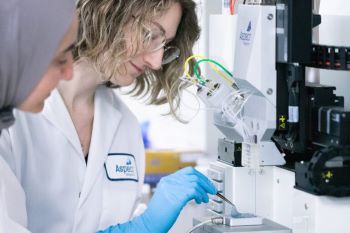
Events For Leaders in
Science, Tech, Innovation, and Policy
Discuss and learn from those in the know at our virtual and in-person events.
See Upcoming Events
You have 0 free articles remaining.
Don't miss out - start your free trial today.
Start your FREE trial Already a member? Log in
By using this website, you agree to our use of cookies. We use cookies to provide you with a great experience and to help our website run effectively in accordance with our Privacy Policy and Terms of Service.